

March 7, 2025
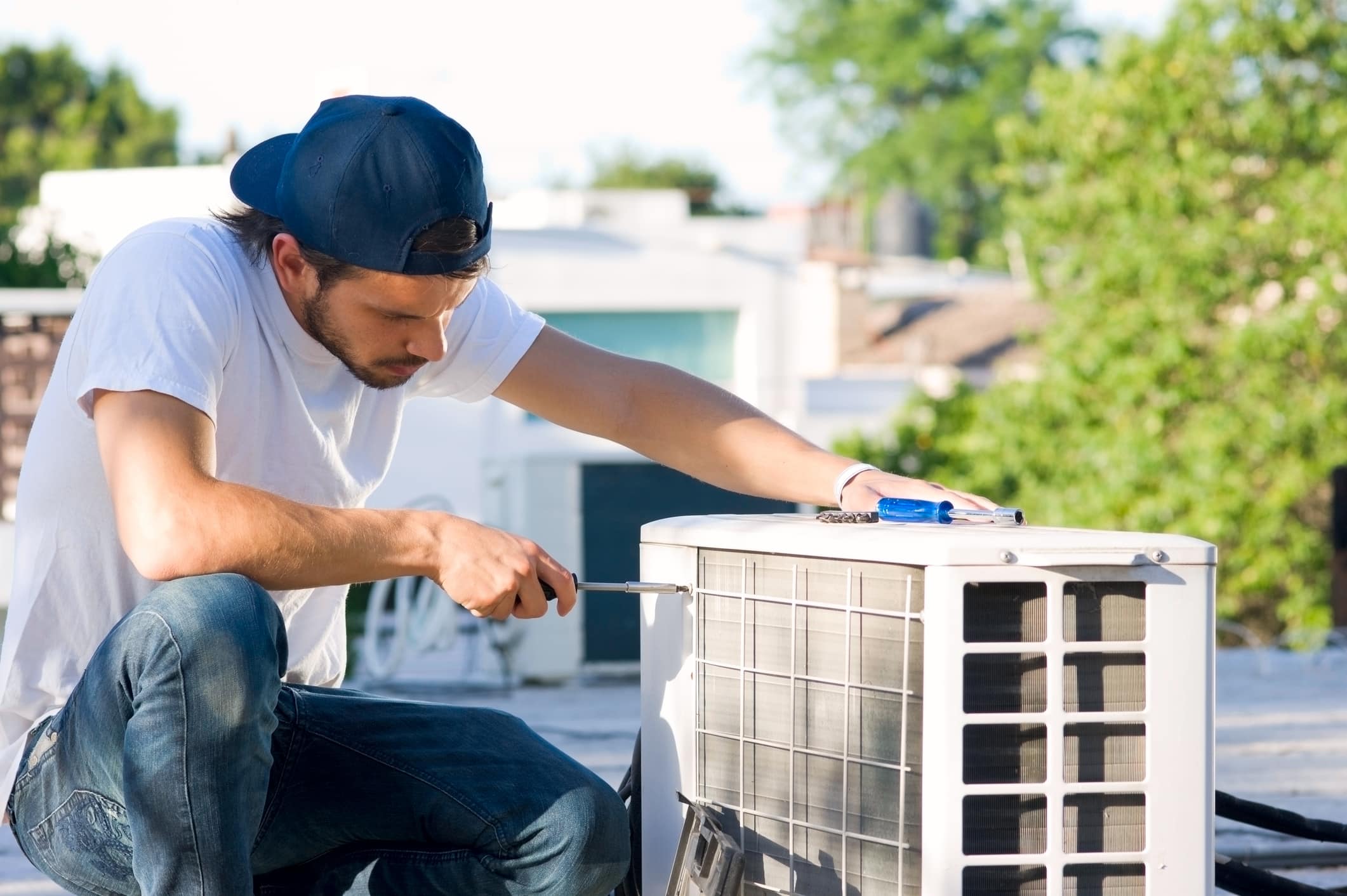
On a frigid January morning in Providence, Tom Sullivan woke to a dead heating system and temperatures dropping fast in his 1890s colonial home. Like many Rhode Island homeowners, his first instinct was to save money by fixing it himself. Three YouTube videos and one failed repair attempt later, he’d accidentally damaged his circuit board, turning a simple $300 repair into a $3,000 nightmare. This scenario plays out regularly across the Ocean State, where aging homes and extreme seasonal weather make HVAC systems particularly vulnerable.
Your local HVAC contractor has seen it all – from well-meaning homeowners who accidentally release refrigerant into the atmosphere (a federal offense) to DIY enthusiasts who create fire hazards with improper electrical connections. This comprehensive guide will help you avoid these costly mistakes and know exactly when to put down the tools and pick up the phone.
Understanding Your Rhode Island HVAC System’s Unique Challenges
Rhode Island’s coastal climate poses distinct challenges for HVAC systems. In Newport, salt air corrodes outdoor units up to 50% faster than inland areas. Meanwhile, Providence’s historic homes often combine original radiator heating with modern cooling solutions, creating complex hybrid systems that require specialized knowledge.
The Coastal Corrosion Factor
Sarah Chen, a Narragansett homeowner, learned this lesson the hard way. “I thought keeping my outdoor unit clean with a garden hose was enough,” she recalls. “I didn’t realize the salt air had corroded the internal components until my system failed during a 95-degree day in August.” Professional HVAC service providers use specific marine-grade protective coatings and maintenance protocols for coastal units – something most homeowners don’t even know exists.
Historic Home HVAC Complications
In College Hill, where homes regularly date back to the 18th century, HVAC installations present unique challenges. These structures often lack adequate insulation, have complex ductwork retrofits, and require specialized equipment to maintain historical integrity. Professional HVAC contractors understand these nuances and know how to navigate the local historical preservation requirements.
DIY Disasters: Real Rhode Island Cases
The “helpful” friend with HVAC experience has become a costly cliché in Rhode Island’s HVAC industry. Take Mike Peterson’s experience in East Providence: “My buddy Dave said he’d installed dozens of mini-splits. He got halfway through the installation, punctured a refrigerant line, and disappeared for two weeks. The company that finally fixed it said the incorrect mounting could have caused the unit to fall off my wall.”
The True Cost of Amateur Repairs
Let’s break down a recent case from Warwick:
Initial repair quote from licensed HVAC contractor: $450
DIY attempt parts and tools: $225
Additional damage from improper repair: $1,800
Emergency service call (Sunday night): $375
Total cost after DIY failure: $2,400
This scenario repeats itself across Rhode Island, particularly during extreme weather events when desperate homeowners attempt repairs beyond their expertise.
Safe DIY HVAC Tasks for Rhode Island Homeowners
While many repairs require professional intervention, certain maintenance tasks remain safely within a homeowner’s capabilities. These activities help maintain system efficiency between professional service visits.
Seasonal Maintenance You Can Handle
Basic maintenance tasks appropriate for DIY include:
- Monthly filter changes (critical during pollen-heavy Rhode Island springs)
- Keeping outdoor units clear of New England’s falling leaves
- Cleaning visible components and removing debris
- Checking and cleaning condensate drain lines
- Testing thermostat functionality
- Monitoring system performance and keeping maintenance records
When to Call an HVAC Contractor: Critical Situations
Certain scenarios demand immediate professional attention. During the brutal winter of 2023, one North Kingstown family ignored their heating system’s unusual sounds for weeks. By the time they called an HVAC contractor, their cracked heat exchanger had been leaking carbon monoxide – a potentially lethal situation their CO detector fortunately caught.
Emergency Scenarios Requiring Professional Response
The following situations require immediate professional intervention:
- Complete system failure during extreme weather
- Unusual sounds or smells from your system
- Rapid cycling or frequent system shutoffs
- Ice formation on outdoor units
- Electrical issues or circuit breaker trips
- Uneven heating or cooling
- Sudden spikes in energy bills
- Water leaks or excessive condensation
Understanding Rhode Island’s HVAC Regulations
Rhode Island maintains strict regulations governing HVAC work. For example, all HVAC contractors must be licensed through the Rhode Island Department of Labor and Training. Working with unlicensed contractors not only risks substandard repairs but can also void equipment warranties and home insurance policies.
Legal Requirements and Permits
Many Rhode Island municipalities require permits for HVAC modifications. In Newport, for instance, any modification to an existing system requires both mechanical and electrical permits. Professional contractors handle this paperwork routinely, while DIY attempts often skip this crucial legal step.
Choosing the Right HVAC Professional in Rhode Island
When selecting an HVAC contractor, consider these essential factors:
- Local Experience: Look for contractors familiar with Rhode Island’s unique challenges
- Proper Licensing: Verify credentials through state databases
- Insurance Coverage: Ensure they carry adequate liability insurance
- Emergency Availability: Confirm their response time for urgent issues
- Manufacturer Certifications: Check their authorization to work on your specific equipment
Cost Expectations and Payment Structures
Professional HVAC service in Rhode Island typically follows these pricing patterns:
Regular Service Hours: $75-150 per hour
Emergency Service (nights/weekends): $125-250 per hour
Diagnostic Fees: $50-100 (often waived if repairs are performed)
Annual Maintenance Contracts: $150-300 per year
Major Repairs: $500-2,500 depending on components
Full System Replacement: $7,000-15,000
The Future of HVAC in Rhode Island
As Rhode Island pushes toward its green energy goals, HVAC systems are becoming increasingly sophisticated. Modern systems incorporate smart technology, zone control, and high-efficiency features that require professional expertise to install and maintain properly.
While basic maintenance remains within reach of careful homeowners, the complexity of modern HVAC systems and Rhode Island’s unique climate challenges make professional service essential for most repairs and installations. Protect your investment and family’s safety by partnering with a qualified HVAC contractor for complex repairs and installations.
Don’t wait for your HVAC system to fail during extreme weather. Contact a licensed Rhode Island HVAC professional today for a comprehensive system evaluation and maintenance plan tailored to your home’s specific needs.
Frequently Asked Questions
How does Rhode Island’s coastal climate affect HVAC maintenance schedules?
Answer: Coastal homes require more frequent maintenance (every 4-6 months) due to salt air corrosion, compared to inland properties that might manage with annual service.
What specific certifications should Rhode Island HVAC contractors have?
Answer: Look for Rhode Island state licensing, EPA certification, NATE certification, and manufacturer-specific training certifications.
How do historic home regulations affect HVAC work in Providence’s older districts?
Answer: Historic districts often require special permits and may restrict visible equipment placement. Some modifications must be approved by historical preservation committees.
What’s the typical cost difference between DIY repairs gone wrong and professional service in Rhode Island?
Answer: Failed DIY attempts typically cost 2-3 times more than initial professional repair quotes, with average additional costs ranging from $800-2,500.