

April 18, 2025
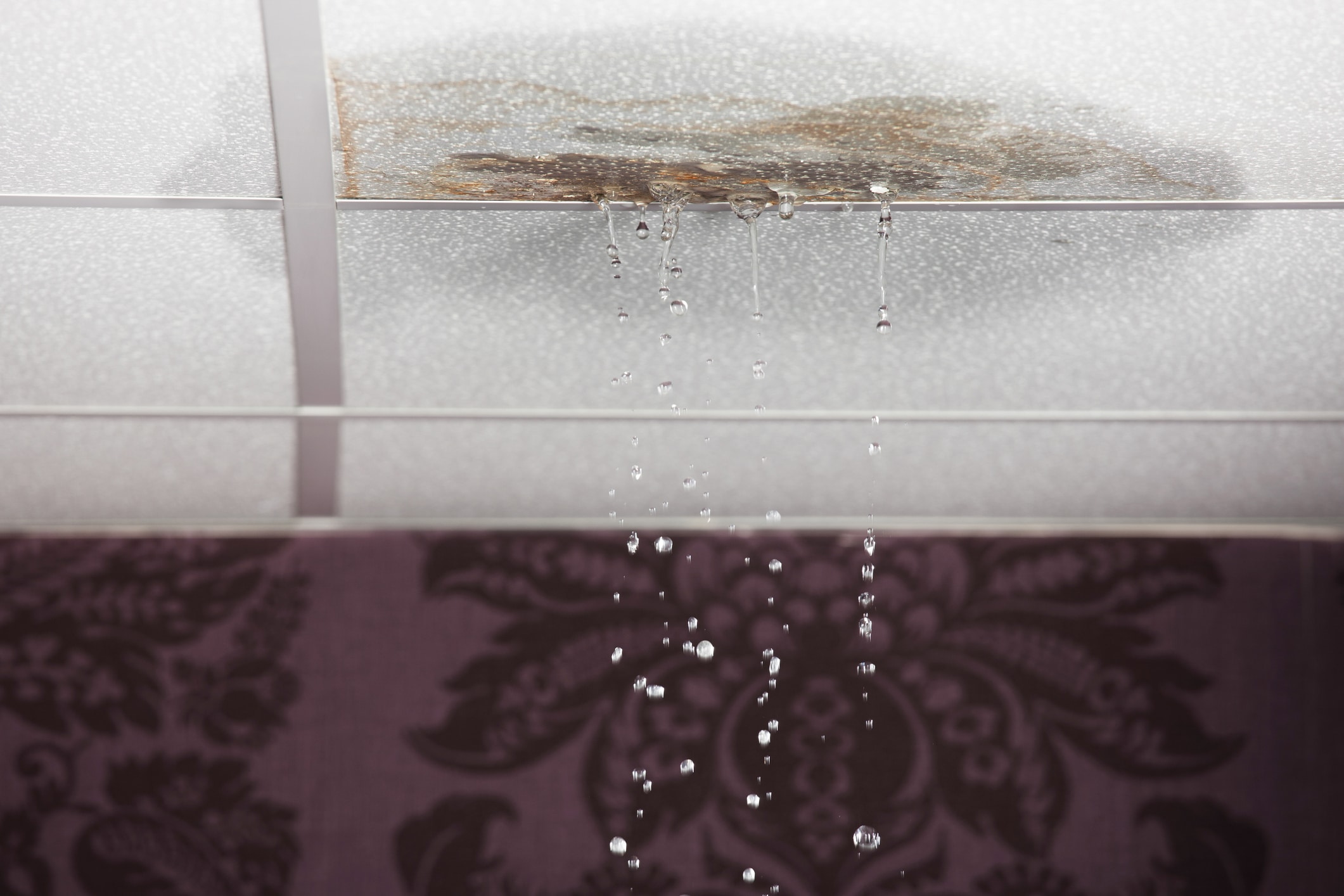
As Rhode Island emerges from another harsh winter, homeowners face the critical task of finding leaky pipes that may have been damaged during freezing temperatures. Winter’s freeze-thaw cycles put immense pressure on your home’s plumbing system, often creating problems that remain hidden until they suddenly become catastrophic failures. According to the Insurance Information Institute, water damage claims average over $10,000 per incident, with many of these stemming from undetected post-winter pipe leaks. This comprehensive guide provides Rhode Island homeowners with practical methods to identify compromised pipes through visual inspection, noise identification, and simple tests before minor issues escalate into major disasters.
Why Post-Winter Pipe Assessment is Critical for Rhode Island Homeowners
The unique climate conditions of Rhode Island create particular challenges for residential plumbing systems. Our coastal location combined with freezing temperatures creates a perfect storm for pipe damage. When water freezes inside pipes, it expands by approximately 9%, creating pressure that can exceed 2,000 pounds per square inch. This pressure doesn’t always cause immediate bursts; instead, it often creates small fractures or weakens pipe joints that begin to fail weeks or months after the winter has passed. The process of finding leaky pipes becomes essential during spring before these weakened sections completely fail during heavier use in summer months.
Common Winter Damage to Residential Plumbing Systems
Winter-related pipe damage typically appears in several forms that Rhode Island homeowners should understand. Pinhole leaks often develop at pipe joints where expansion and contraction occur repeatedly. Pipe walls can develop hairline cracks that allow minimal water seepage initially but worsen over time. Joint connections frequently loosen during temperature fluctuations, creating slow drips that go unnoticed within walls or ceilings. These subtle damages produce specific noises as water flows through compromised sections, making pipe leak noise detection a valuable skill for homeowners. A study from the EPA notes that the average household leaks account for nearly 10,000 gallons of wasted water annually, with post-winter damage representing a significant portion of these losses in northeastern states like Rhode Island.
Key Signs and Noises That Indicate You’re Finding Leaky Pipes
The subtle indicators of pipe damage often manifest through distinct sounds that warrant immediate attention. Expert plumbers from Energy-One confirm that plumbing noise from leaking pipes provides some of the earliest warning signs of trouble. The characteristic dripping noise from compromised pipes might seem obvious, but many homeowners miss this sound when pipes are located within walls or beneath flooring. More telling is the intermittent gurgling noise from pipes, which indicates air has entered the system through a breach or is trapped in a vent. This air displacement creates distinctive sounds as water and air compete for space within the plumbing system, particularly when fixtures are turned on or off.
Decoding the Noise of Leaky Pipes: What Different Sounds Mean
Different types of pipe damage produce distinctive sounds that help in identifying the nature and severity of the problem. A whistling noise in leaky pipes typically indicates water being forced through a narrow opening, suggesting a developing crack or small hole. The intensity and pitch of this whistle often correlate with water pressure and the size of the breach. Meanwhile, a hollow dripping sound generally points to water dropping into an already wet or hollow space, potentially indicating a leak has been active for some time.
Gurgling and Whistling Noises in Your Plumbing System
The hidden pipe leak noise of gurgling deserves special attention as it frequently indicates a developing siphon effect where water is being drawn unintentionally through damaged sections. This sound, similar to a coffee percolator, occurs when air bubbles travel through water in places they shouldn’t be present. Professional water pipe noise troubleshooting typically prioritizes these sounds as they often indicate substantial breaches in the system. Unlike the occasional air bubble that might appear after a repair or municipal work, persistent gurgling suggests ongoing air introduction through a crack or failed joint that will continue to worsen. The Rhode Island Department of Health warns that these conditions can also lead to backflow situations where contaminants might enter the drinking water system, making prompt attention to such noises not just a structural concern but a health consideration as well.
Effective Methods for Finding Leaky Pipes Before Disaster Strikes
Beyond listening for telltale noises, several proactive inspection methods can help Rhode Island homeowners detect post-winter pipe damage. Start by examining visible pipes in basements, under sinks, and in utility areas for signs of corrosion, discoloration, or mineral buildup – all indicators of slow leaks. Pay particular attention to pipe joints and connections, as these are most vulnerable to winter damage. Carefully inspect ceilings and walls, especially those below bathrooms, kitchens, and laundry rooms, for water stains, bubbling paint, or warping. These visual indicators often appear before more obvious signs of water damage and can guide you toward problem areas requiring closer examination. For Rhode Island homes with basements or crawl spaces, check floor joists and subflooring for water stains or mold growth, which often indicate leaking supply lines in the level above.
Using Your Home’s Water Meter to Detect Hidden Leaks
Your home’s water meter provides one of the most reliable methods for identifying leaks too small to produce noticeable sounds or visible damage. The process of identifying pipe damage noise begins with ensuring all water-using appliances and fixtures are completely turned off, including ice makers, irrigation systems, and humidifiers. Many modern meters have a small triangle or diamond-shaped flow indicator that rotates with even tiny amounts of water movement, making this test even more sensitive. If this indicator moves with all water fixtures turned off, you may have a leak. According to research from Virginia Tech’s Department of Civil Engineering, this method can detect .002 gallons of leakage with each full rotation of the indicator.
Visual Inspection Techniques for Post-Winter Pipe Assessment
A systematic visual inspection remains one of the most effective approaches to post-winter pipe noise assessment. Begin in your basement or lowest level, where pipes are often exposed and accessible. Using a flashlight, examine all visible pipes, giving special attention to joints, elbows, and connections with appliances. Look for green patina on copper pipes, rust on iron pipes, or white mineral deposits – all signs of slow leaks. For pipes concealed within walls or ceilings, examine the surrounding materials for warping, staining, or mold growth. In finished basements with drop ceilings, remove ceiling tiles under bathrooms and kitchens to inspect the plumbing above. Musty odors often indicate moisture problems, so use your sense of smell as well. For Rhode Island homes built on slabs or without accessible basements, check floor coverings for discoloration or warping, particularly around exterior walls where pipes are more susceptible to freezing.
When to Call a Professional for Pipe Leak Noise Detection
While DIY inspection can identify many common pipe issues, certain situations warrant professional assistance from qualified plumbers at Energy-One. If you hear persistent plumbing noises but cannot locate their source, professionals can use specialized acoustic equipment to pinpoint leak locations with remarkable precision. Similarly, if your water meter test indicates a leak but visual inspection reveals no obvious problems, professionals can employ electronic leak detection equipment, pressure testing, or even camera inspection to examine pipes from the inside. Homes with radiant floor heating systems require particular expertise, as leaks in these systems can be especially difficult to locate without specialized equipment. If you notice water pressure changes, intermittent water discoloration, or unexplained increases in your water bill, these subtle signs often indicate problems that require professional assessment before they escalate into more significant damage.
The Long-Term Cost Benefits of Early Leak Detection
The economics of early detection make a compelling case for proactive post-winter pipe checks. The average cost of professional pipe leak noise detection ranges from $150 to $400 in Rhode Island, while emergency repairs for burst pipes typically start at $1,000 and can exceed $10,000 when considering water damage restoration. Beyond the immediate repair costs, undetected leaks lead to astronomical waste on water bills, with even a moderate leak wasting hundreds of gallons daily. More significantly, the secondary damage from prolonged moisture exposure – including structural rot, mold remediation, and damaged belongings – often exceeds the cost of the plumbing repairs themselves. Insurance data from the American Insurance Association reveals that homes with untreated leaks face up to 500% higher risks of developing toxic black mold, which typically isn’t covered by standard homeowner’s policies once it develops beyond the initial water damage period.
Protecting Your Rhode Island Home Through Proactive Pipe Assessment
As winter’s grip loosens across Rhode Island, taking time to thoroughly assess your home’s plumbing for freeze-related damage represents one of the most valuable investments in protecting your property. The combination of listening for distinctive noises, conducting simple tests, and visual inspection can identify problems before they escalate into costly disasters. Remember that finding leaky pipes early isn’t merely about preventing immediate water damage – it’s about preserving your home’s structural integrity, protecting your family’s health by preventing mold growth, and avoiding the significant expense and disruption of emergency repairs. By incorporating these assessment techniques into your spring home maintenance routine, you establish a protective strategy that pays dividends through preserved property value and peace of mind.
Take Action Today
Don’t wait for puddles to appear or ceilings to collapse. Schedule your comprehensive post-winter plumbing assessment with Energy-One today. Our Rhode Island specialists bring decades of experience in detecting and repairing winter-related pipe damage before it threatens your home and family. Call us at (401) 823-1800 for same-week appointments or emergency services throughout Providence, Newport, and surrounding communities.
Frequently Asked Questions
Q: How often should Rhode Island homeowners inspect their pipes for post-winter damage?
A: Rhode Island homeowners should conduct thorough pipe inspections twice annually – once after the last freeze of winter (typically March or April) and again before the first freeze of the following winter season. Properties with older plumbing systems (25+ years) or homes that have experienced previous freeze damage should consider quarterly inspections.
Q: Can I rely solely on listening for pipe noises to detect leaks?
A: While distinctive noises provide valuable early warning signs, they should be considered just one component of a comprehensive detection strategy. Some leaks develop without producing noticeable sounds, particularly in pipes with lower water pressure or leaks that drain directly into open spaces like crawl spaces.
Q: How can I differentiate between normal pipe noises and those indicating potential leaks?
A: Normal plumbing noises typically occur briefly when water is actively flowing then stop when fixtures are turned off. Leak-related noises often continue after water usage ends or occur randomly without any fixtures being used. Persistent gurgling, whistling, or dripping sounds almost always indicate system problems requiring attention.
Q: Are certain pipes more vulnerable to winter damage in Rhode Island homes?
A: Yes, pipes in unheated spaces (garages, crawl spaces), pipes along exterior walls with inadequate insulation, and outdoor spigots face the highest risk of freeze damage. Older galvanized steel or copper pipes with decades of mineral buildup also have reduced internal diameter, making them more susceptible to complete blockage during freezing temperatures.
Q: If I find evidence of a leaky pipe, should I attempt repairs myself?
A: Minor repairs to accessible pipes might be appropriate for homeowners with plumbing experience, but most post-winter pipe damage occurs in difficult-to-reach areas or reveals underlying issues requiring professional assessment. Improper repairs often create new problems or mask symptoms without addressing root causes, potentially leading to more extensive damage.