

June 13, 2025
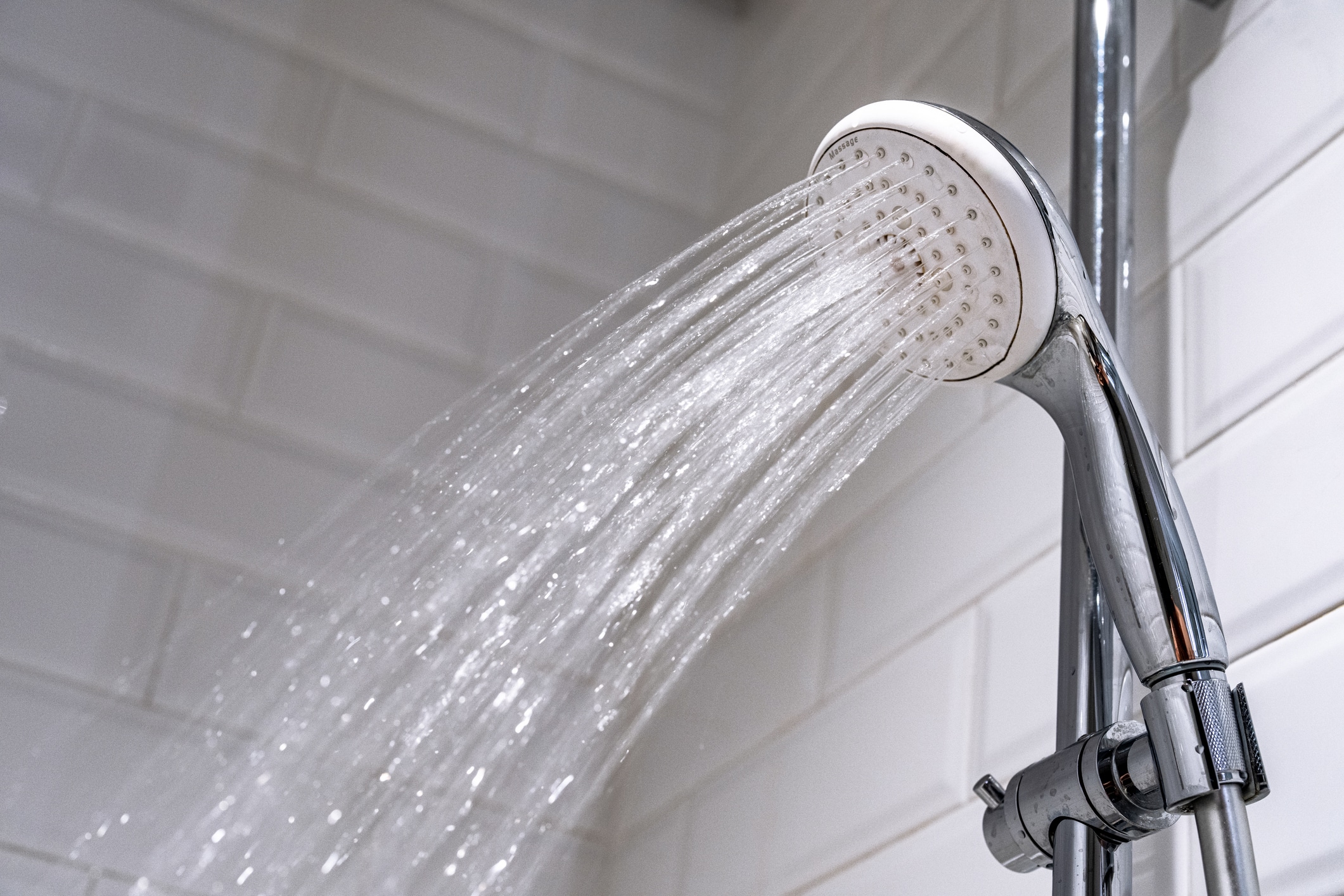
Water pressure issues can turn everyday household tasks into frustrating ordeals, particularly during summer months when Rhode Island’s water systems face increased demand. Whether you’re experiencing a weak trickle from your shower or pipes that bang and rattle from excessive pressure, understanding how to test and regulate your home’s water pressure is essential for maintaining your plumbing system and avoiding costly repairs. Both insufficient and excessive water pressure can damage your home’s plumbing infrastructure, with problems ranging from appliance failure to burst pipes. This article explores why water pressure fluctuates seasonally, how to properly test it, and the solutions available through professional installation of water pressure regulators and water pressure booster systems.
Understanding Water Pressure
Water pressure in residential homes is typically measured in pounds per square inch (PSI), with most household plumbing systems designed to operate optimally between 40 and 80 PSI. This standard ensures sufficient flow for everyday activities while protecting your pipes and appliances from strain. During summer months, water pressure often fluctuates due to increased community-wide usage, with many Rhode Island neighborhoods experiencing significant drops when irrigation systems, pools, and increased shower usage tax the municipal supply. This seasonal variation can be particularly pronounced in coastal areas and communities at higher elevations, where baseline pressure may already be lower than inland regions. Understanding these normal fluctuations helps homeowners recognize when pressure changes indicate a more serious problem requiring professional intervention versus temporary seasonal adjustments that occur naturally.
How to measure your home’s water pressure
Testing your home’s water pressure is a straightforward process that requires a simple pressure gauge available at most hardware stores. To conduct an accurate test, attach the pressure gauge to an exterior water spigot or utility sink faucet, making sure no other water is running in your home. Turn the faucet on fully and note the PSI reading on the gauge. For the most accurate assessment, perform this test at different times of day and during different seasons, as pressure can vary significantly based on usage patterns in your neighborhood. Professional plumbers recommend testing your water pressure at least twice yearly, ideally during peak summer months and again during winter, to establish a baseline understanding of your home’s normal pressure range. This regular household water supply testing helps identify potential issues before they cause damage to your plumbing system.
The Problems with Improper Water Pressure
Issues with low water pressure
Low water pressure creates numerous inconveniences and potential problems throughout your home. When pressure falls below 40 PSI, you’ll likely notice weak showers, slow-filling toilets, and inefficient appliance operation. Dishwashers and washing machines require minimum pressure levels to function properly, with inadequate pressure extending cycle times and reducing cleaning effectiveness. In multi-story homes, upper floors often experience the worst effects of low pressure, sometimes rendering fixtures nearly unusable during peak usage times. Beyond the inconvenience, chronically low pressure can indicate more serious issues including pipe corrosion, hidden leaks, or municipal supply problems. Without proper water flow measurement and diagnosis, these underlying issues can worsen over time, potentially leading to complete system failures that require extensive repairs.
Problems caused by high water pressure
Excessive water pressure—typically above 80 PSI—can be equally problematic and potentially more damaging to your home’s plumbing system. High pressure places continuous strain on pipes, connections, and appliance components, significantly shortening their lifespan. The most obvious signs include banging pipes (water hammer), leaking faucets, running toilets, and excessive splashing from sinks. Over time, high pressure can cause premature failure of water heaters, washing machine hoses, dishwasher components, and even create pinhole leaks in copper piping throughout your walls. These small leaks often go undetected until they’ve caused significant structural damage or mold growth. The financial impact extends beyond repairs to include wasted water and higher utility bills, making pressure regulation an important consideration for both home maintenance and budget management.
Solutions for Water Pressure Issues
Water pressure regulators explained
A water pressure regulator serves as a control valve that reduces the incoming water pressure from municipal lines to a safer, more manageable level for residential use. Typically installed at the main water line entry point inside your home, these devices allow for adjustment to maintain optimal pressure throughout your plumbing system regardless of fluctuations in the municipal supply. Modern regulators feature adjustable settings, pressure gauges for monitoring, and durable construction designed to last 10-15 years under normal conditions. For Rhode Island homes consistently experiencing pressure above 80 PSI, a water pressure regulator installation represents an essential protective measure that can prevent thousands of dollars in potential damage while extending the lifespan of appliances and fixtures. Professional installation ensures proper sizing, placement, and adjustment tailored to your specific home’s requirements.
Water pressure boosters and their benefits
For homes suffering from chronically low water pressure, a water pressure booster system offers an effective solution by actively increasing pressure to desired levels. These systems typically consist of a pump, pressure tank, and controller that work together to maintain consistent pressure throughout your home. Unlike temporary fixes that address symptoms, a professionally installed water pressure booster addresses the root cause of low pressure problems. Modern boosters operate quietly, automatically adjust to demand, and include safety features to prevent over-pressurization. They’re particularly valuable for homes in Rhode Island’s higher elevation areas, residences far from municipal pumping stations, or properties with multiple bathrooms that regularly experience simultaneous use. The investment in a quality water pressure booster system pays dividends through improved quality of life, better appliance performance, and elimination of water flow frustrations.
Maintaining Optimal Water Pressure
Once you’ve achieved proper water pressure through regulation or boosting, maintaining that balance requires periodic attention and monitoring. Seasonal water pressure fluctuations remain inevitable, particularly during summer months when system-wide demand increases. Establishing a regular schedule for pressure testing—ideally quarterly—helps identify shifts before they cause problems. Pay particular attention to pressure changes following municipal water work in your neighborhood, as these interventions can significantly alter your home’s baseline pressure. For homes with pressure regulation systems, annual professional inspection ensures all components function correctly and adjustments remain appropriate. This proactive approach to plumbing maintenance prevents both the inconvenience of pressure problems and the potential damage from undetected issues, saving homeowners significant money and frustration over time.
DIY pressure checks
Between professional inspections, homeowners can perform basic pressure monitoring using simple techniques. Beyond using a pressure gauge, watch for changes in shower performance, faucet flow, or appliance operation that might indicate pressure fluctuations. Listen for new noises in your plumbing system, particularly water hammer or whistling, which often signal pressure problems. If you notice sudden changes, check with neighbors to determine whether the issue affects the broader area or just your home. Keep a log of pressure readings taken at consistent times and locations to establish patterns and identify gradual changes that might otherwise go unnoticed. While these DIY approaches help with monitoring, they should complement rather than replace professional assessment, particularly when significant pressure issues arise or when considering water pressure regulator or water pressure booster installation.
Conclusion
Proper water pressure is essential for both comfort and protecting your home’s plumbing system. The seasonal variations common in Rhode Island make regular testing particularly important for homeowners. Whether you’re dealing with pressure that’s too high or too low, professional solutions exist to create and maintain optimal conditions throughout your home. Water pressure regulators provide protection against excessive municipal pressure, while water pressure booster systems effectively address chronic low-pressure situations. Both solutions, when properly installed and maintained, offer long-term benefits far exceeding their initial investment cost. By understanding your home’s specific pressure needs and implementing appropriate regulation, you can avoid the frustration, inconvenience, and potential damage associated with improper water pressure.
Rhode Island homeowners looking to resolve water pressure issues can rely on Energy-One’s professional plumbing team for expert assessment, recommendations, and installation services. Our experienced technicians can determine the ideal solution for your specific situation, whether you need a water pressure regulator to protect your home from excessive pressure or a water pressure booster to improve insufficient flow. Call Energy-One today at (401) 823-1800 or visit Energy-One.com to schedule a professional water pressure evaluation and take the first step toward optimal home water pressure year-round.
Frequently Asked Questions
1. How do I know if my home’s water pressure is too high or too low?
Low pressure (below 40 PSI) typically manifests as weak showers, slow-filling toilets, and inefficient appliance operation. High pressure (above 80 PSI) often causes banging pipes, loud water movement, leaking faucets, running toilets, and excessive splashing from sinks.
2. Why does water pressure seem to change during summer months in Rhode Island?
Summer water pressure fluctuations occur primarily due to increased community-wide usage from irrigation systems, pools, and more frequent showers, which places greater demand on municipal water supplies.
3. How often should I test my home’s water pressure?
Professional plumbers recommend testing your water pressure at least twice yearly, ideally during peak summer months and again during winter, with quarterly testing providing the best monitoring.
4. Can high water pressure actually damage my home?
Yes, excessive water pressure places continuous strain on pipes, connections, and appliance components, potentially causing premature failures, leaks, and significant water damage if left unaddressed.
5. Is installing a water pressure regulator or booster something I can do myself?
While DIY installation is technically possible, professional installation ensures proper sizing, placement, and adjustment tailored to your specific home’s requirements, providing better long-term results and preventing potential complications.