

February 20, 2026
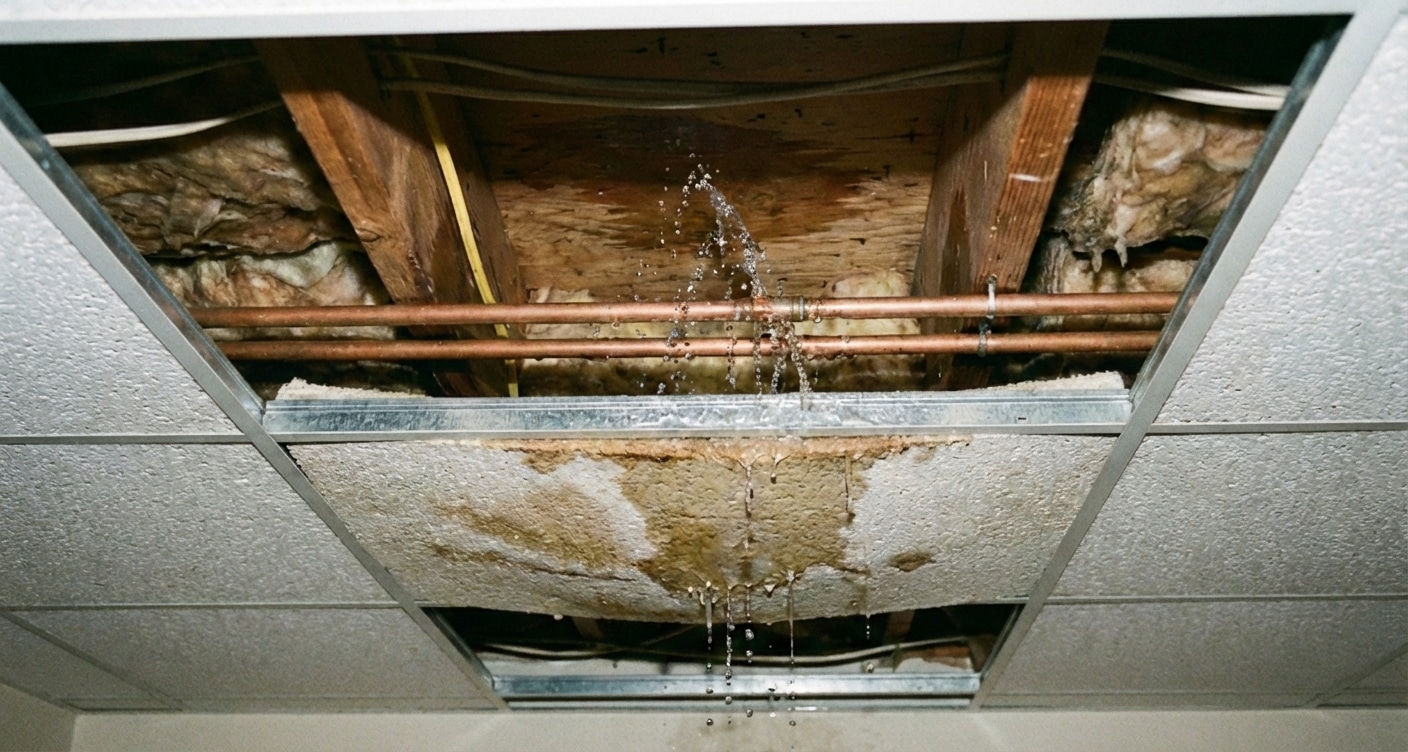
Frozen pipes are one of those winter problems that often go unnoticed — until it’s too late. In many cases, homeowners don’t realize their pipes have frozen until temperatures begin to rise and issues suddenly appear.
As winter weather fluctuates, it’s a good time to take a few simple steps that can help protect your home, reduce stress, and potentially prevent costly water damage.
Common Areas Where Pipes Freeze
1. Outdoor Faucets
Outdoor spigots left on or connected to hoses are one of the most common causes of frozen pipes. Even if the faucet isn’t actively running, trapped water can freeze and expand, leading to cracks or bursts.
Tip: Make sure all outdoor faucets are shut off and hoses are disconnected.
2. Pipes Under Sinks on Exterior Walls
Pipes located under sinks — especially in kitchens and bathrooms along exterior walls — are more exposed to cold air than homeowners often realize.
Tip: Open cabinet doors occasionally to allow warmer air to circulate around exposed pipes.
3. Drafty Basements and Crawl Spaces
Cold air leaks in basements or crawl spaces can quickly reach exposed piping, even if the rest of the area feels relatively warm.
Tip: If you notice drafts, temporarily sealing those areas and improving air circulation around pipes can help prevent freezing.
A Quick Reminder on Prevention
One of the simplest ways to reduce the risk of frozen pipes is to keep your home at a consistent temperature, even when you’re away. Sudden temperature drops make it much harder for plumbing — and heating systems — to recover.
Consistency is key during cold snaps.
Warning Signs of Frozen Pipes
If you notice any of the following, your pipes may already be frozen:
- Little to no water flow
- Low water pressure
- Unusual leaks or moisture
Addressing these signs early can help minimize damage.
When to Ask for Help
If you’re unsure whether your pipes are frozen, or if something doesn’t seem right, it’s always best to act sooner rather than later. Early guidance can prevent small issues from turning into major repairs.