

May 26, 2026
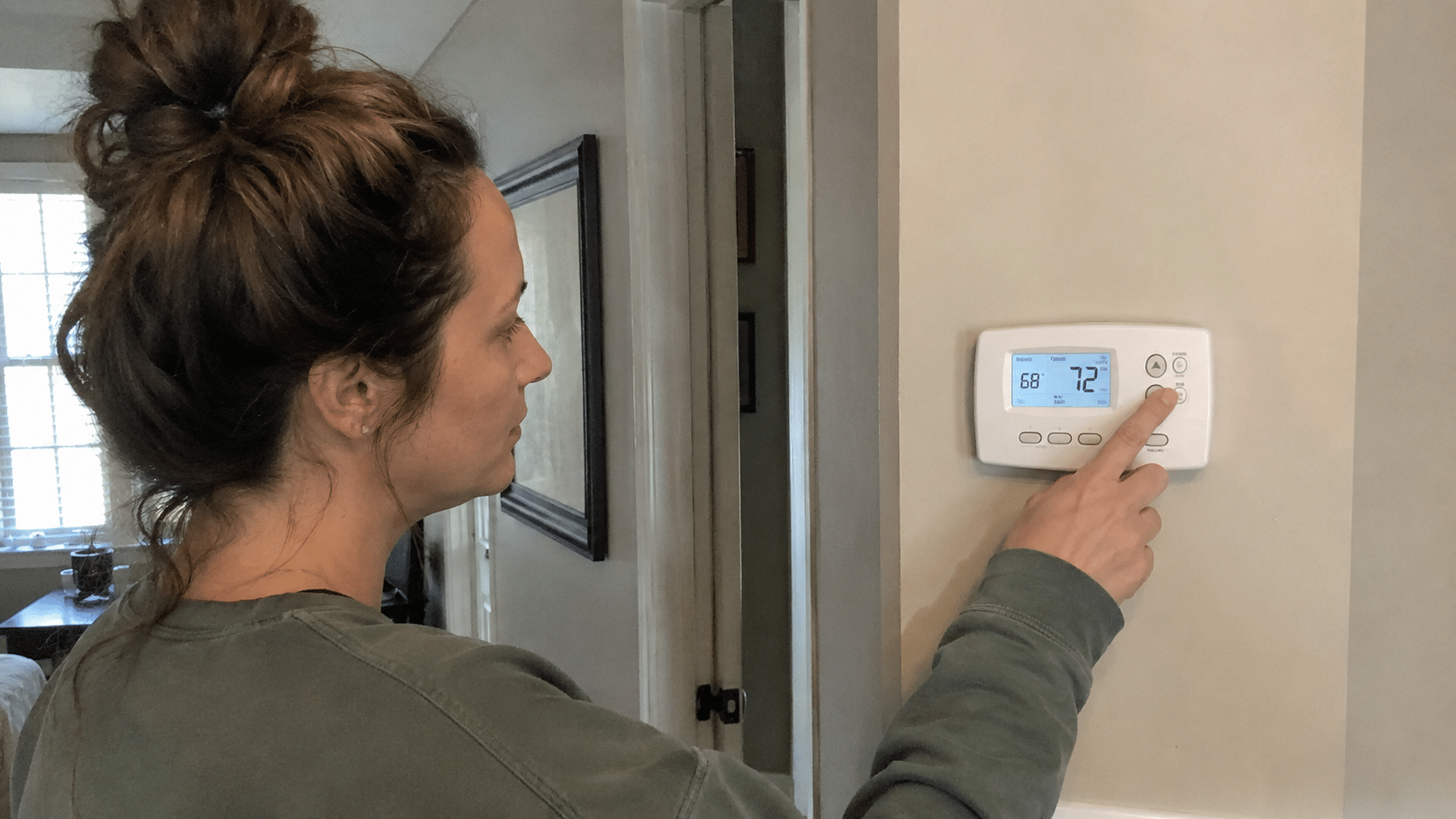
When temperatures rise, most homeowners instinctively lower their thermostat as far as possible, hoping their air conditioner will cool the house faster. It’s a common habit—but it’s also one of the biggest misconceptions about HVAC systems.
The truth is: your HVAC system doesn’t work faster because you set the thermostat lower. In fact, constantly adjusting your thermostat can increase energy bills, reduce efficiency, and put unnecessary strain on your heating and cooling equipment.
Understanding how your HVAC system works—and finding the right balance between comfort and efficiency—can help you stay cooler, save money, and extend the life of your system.
Does Lowering the Thermostat Cool Your Home Faster?
No. Your air conditioner cools your home at the same rate regardless of how low you set the thermostat.
For example, if your home is currently 80°F and you set your thermostat to 65°F instead of 72°F, your system still has to work through every temperature in between. Setting it dramatically lower doesn’t speed up the process—it only forces the system to run longer.
This can lead to:
- Increased energy consumption
- Higher utility bills
- Excess wear and tear on your HVAC equipment
- Reduced system efficiency
Instead of extreme thermostat changes, HVAC professionals recommend maintaining a consistent temperature range for maximum comfort and efficiency.
What Is Your HVAC “Comfort Curve”?
One of the best ways to improve home comfort while reducing energy costs is by finding your “Comfort Curve.”
Your comfort curve is the temperature range where:
- Your home feels comfortable when you’re there
- Your HVAC system can operate efficiently
- Energy usage stays under control
For most homeowners, that means choosing:
- A comfortable temperature while home
- A slightly higher temperature while away or sleeping during summer
- A slightly lower temperature while away during winter
Example Cooling Comfort Curve
- Home temperature: 72°F
- Away or sleeping temperature: 78°F
By staying within a manageable range, your HVAC system can maintain comfort without overworking.
Why Consistent Thermostat Settings Matter
Many homeowners constantly adjust their thermostat throughout the day trying to “force” comfort. Unfortunately, this usually creates the opposite effect.
Frequent temperature swings can cause:
Higher Energy Bills
Your system uses more energy trying to repeatedly cool or heat the home after major temperature adjustments.
Reduced HVAC Efficiency
Heating and cooling systems are designed to maintain temperatures steadily—not constantly recover from large changes.
Uneven Indoor Comfort
Rapid thermostat changes often create hot and cold spots throughout the home.
More Wear and Tear
Longer run cycles and constant cycling can shorten the lifespan of your HVAC equipment.
Maintaining steady settings helps your system operate more efficiently and reliably.
Don’t Overlook Indoor Humidity
Comfort isn’t just about temperature—humidity plays a major role too.
During hot, humid weather, indoor air can feel sticky and uncomfortable even when the thermostat is set correctly.
One simple tip:
Switch Your Fan Setting from “AUTO” to “ON”
Running the fan continuously helps circulate air throughout your home, improving airflow and reducing humidity buildup in certain areas.
Benefits of improved air circulation include:
- Better indoor comfort
- Reduced muggy feeling
- More even temperatures
- Improved airflow between rooms
If humidity continues to be an issue, your HVAC system may benefit from maintenance, airflow adjustments, or indoor air quality solutions.
Smart Thermostats Make HVAC Efficiency Easier
Today’s smart thermostats make it easier than ever to manage your comfort curve automatically.
Smart thermostats can:
- Adjust temperatures based on your schedule
- Improve HVAC efficiency
- Reduce energy waste
- Help lower monthly utility bills
- Provide remote access through your smartphone
Checking your local weather forecast and adjusting settings proactively during heat waves can also help your system keep up more effectively.
Best Thermostat Settings for Summer
While every home is different, the U.S. Department of Energy generally recommends:
- 72°F–76°F while home
- 78°F while away
The ideal setting depends on:
- Humidity levels
- Home insulation
- Sun exposure
- Personal comfort preferences
- HVAC system performance
The key is consistency—not extreme adjustments.
Final Thoughts: Less Is More
When it comes to HVAC systems, “less is more” truly applies.
Instead of constantly lowering the thermostat or making dramatic temperature changes, focus on:
- Maintaining a steady comfort range
- Managing humidity
- Using smart thermostat settings
- Allowing your HVAC system to operate efficiently
A balanced approach keeps your home more comfortable, lowers energy costs, and helps protect your heating and cooling system for years to come.
Need Help Improving Your Home Comfort?
If your air conditioner is struggling to keep up, your home feels humid, or your energy bills keep climbing, it may be time for a professional HVAC inspection.
Working with a trusted HVAC company can help ensure your system is running efficiently and keeping your home comfortable all season long.