
September 29, 2026
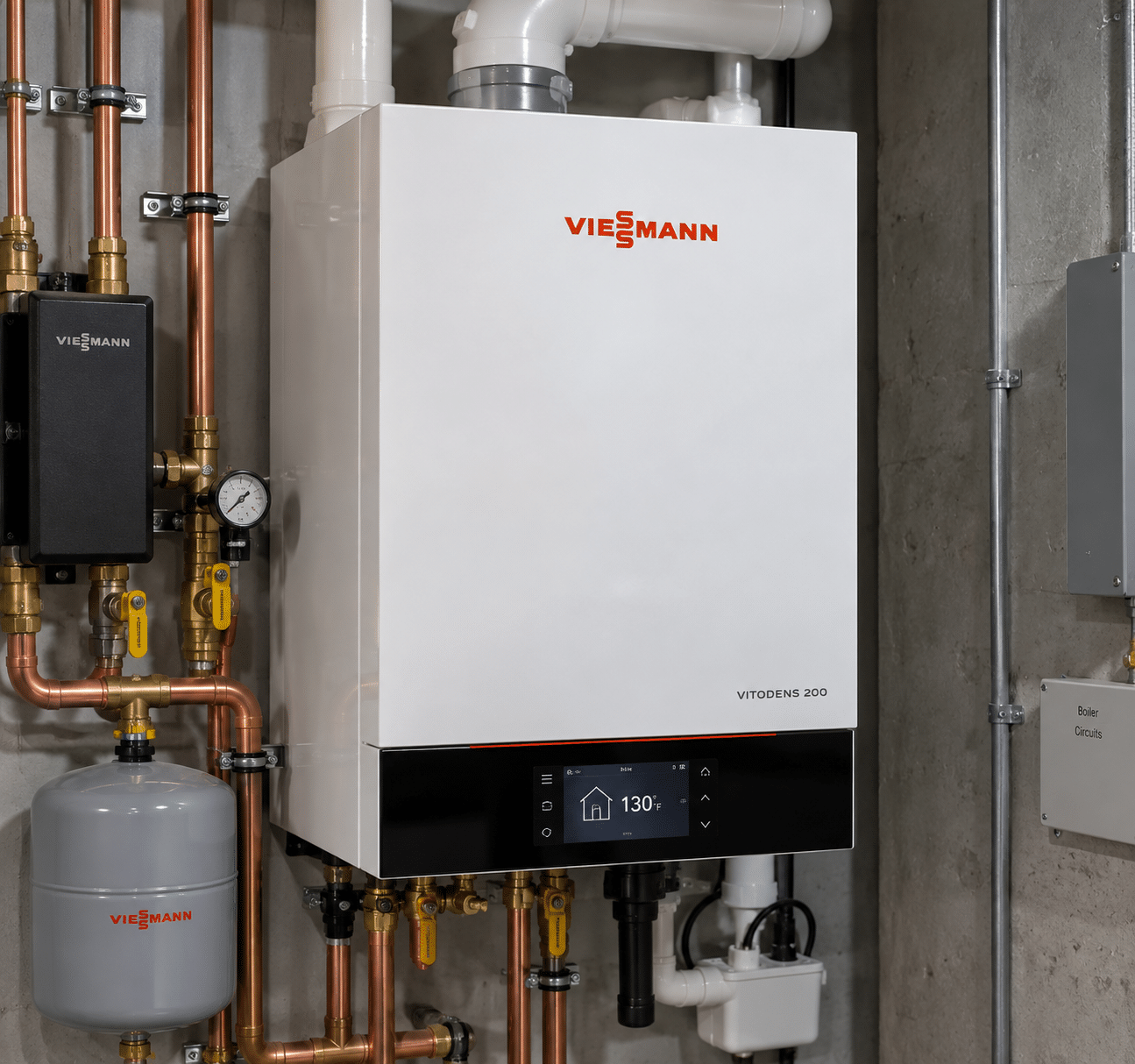
High-efficiency heating systems can be a smart investment for homeowners looking to lower energy use, improve home comfort, and get more from their heating equipment. But installing a high-efficiency boiler, furnace, or heat pump is only the beginning.
The true cost of a high-efficiency heating system includes the equipment, proper installation, and the ongoing maintenance required to keep it operating efficiently.
Modern heating equipment is sophisticated. To deliver the performance and efficiency it was designed to provide, it needs to be installed correctly, operated properly, and maintained consistently.
Why Do High-Efficiency Heating Systems Cost More?
High-efficiency boilers, furnaces, and heat pumps generally cost more upfront because they rely on more advanced technology, components, and controls.
Condensing boilers and furnaces, for example, are designed to capture additional heat from exhaust gases that older heating systems typically send up the chimney. Heat pumps use refrigeration technology, variable-speed compressors, and electronic controls to move heat efficiently rather than generating it through combustion.
The cost of installing a high-efficiency system may also include:
- Specialized venting
- Condensate drainage
- Electrical upgrades
- Advanced controls
- Specialized installation and labor
- Modifications to existing ductwork or piping
The condition of your home’s existing ductwork, piping, insulation, fuel lines, electrical system, and installation area can also affect the overall project cost.
That’s why homeowners should look beyond the price of the equipment when comparing heating system options.
Does a High-Efficiency Heating System Always Operate at Its Rated Efficiency?
Not necessarily.
Manufacturer efficiency ratings are determined under controlled testing conditions. Once equipment is installed in a home, several factors can affect how efficiently it actually operates.
Restricted airflow, dirty filters, improperly adjusted burners, fouled heat exchangers, blocked condensate drains, and poor system water quality can all reduce performance.
A high-efficiency heating system can only deliver its intended performance when the entire system is kept clean, properly adjusted, and operating within the manufacturer’s specifications.
This is one of the most important reasons preventative heating maintenance matters.
What Happens If You Don’t Maintain a High-Efficiency Heating System?
A neglected heating system may continue to run, but that doesn’t mean it’s operating efficiently.
Without regular maintenance, your heating equipment may have to run longer and work harder to maintain the temperature in your home. Over time, that can contribute to:
- Higher energy consumption
- Increased utility costs
- Reduced comfort
- Additional wear on components
- Unexpected repairs
- Shortened equipment life
Rather than thinking of annual maintenance as an optional expense, homeowners should consider it part of the long-term cost of owning a high-efficiency heating system.
What Maintenance Does a High-Efficiency Heating System Need?
Heating system maintenance depends on the type of equipment installed in your home.
Condensing Boilers and High-Efficiency Furnaces
Professional heating maintenance may include inspecting and cleaning the heat exchanger, checking burner operation, verifying combustion performance, examining venting and air-intake piping, inspecting ignition components and flame sensors, checking electrical connections and safety controls, and confirming proper system operation.
Condensing heating appliances require additional attention because they produce condensate. The condensate trap, drain line, and neutralizer should be inspected and maintained because blockages or acidic condensate can cause operating problems or damage equipment.
Forced-Air Heating Systems
One of the easiest things homeowners can do is regularly check the air filter.
A dirty filter restricts airflow and forces the system to work harder. Filters should be checked regularly—especially during periods of heavy heating or cooling use—and replaced when dirty.
Hydronic Boiler Systems
Boiler maintenance may include checking system pressure, inspecting piping for leaks, verifying water quality, cleaning the condensate system, and checking pumps, expansion tanks, controls, and safety devices.
Heat Pumps
Heat pumps also require regular attention. Maintenance may include keeping indoor and outdoor coils clean, maintaining clear airflow around the outdoor equipment, checking filters, verifying refrigerant conditions, and confirming that defrost and control systems are functioning properly.
How Often Should You Service a High-Efficiency Heating System?
Homeowners should generally schedule professional heating system maintenance at least once per year and follow the maintenance requirements provided by their equipment manufacturer.
Scheduling service before the heating season can give you an opportunity to identify potential problems before your system is working its hardest.
Regular service also creates a maintenance history for your equipment, which is important because some manufacturer warranties may require documented maintenance.
High-Efficiency Heating System Maintenance Checklist
Between professional maintenance visits, homeowners can take a few simple steps to help protect their equipment:
✓ Schedule professional heating maintenance annually.
✓ Check and replace air filters regularly.
✓ Keep the area surrounding your heating equipment clear.
✓ Watch for leaks, rust, corrosion, unusual noises, or system error codes.
✓ Make sure condensate is draining properly.
✓ Keep outdoor heat pump equipment clear of leaves, snow, ice, and other debris.
✓ Keep records of professional maintenance and repairs.
✓ Follow the manufacturer’s maintenance recommendations for your specific equipment.
Is a High-Efficiency Heating System Worth the Investment?
High-efficiency heating equipment can provide excellent comfort and meaningful energy savings, but the equipment needs to be treated as the sophisticated system it is.
The real investment isn’t simply the purchase price.
It’s:
Equipment + Proper Installation + Ongoing Maintenance
When homeowners budget for annual service, perform basic routine checks, and follow manufacturer recommendations, they give their heating system a better opportunity to deliver the efficiency, reliability, comfort, and equipment life they paid for.
Protect Your Investment With Energy One
At Energy One, we believe preventative maintenance is about more than making sure your heating system turns on.
It’s about helping your equipment operate properly, identifying potential problems before they become larger repairs, and helping you get the performance you expect from your investment.
Don’t wait until the first cold day to find out there’s a problem with your heating system.
Contact Energy One today to schedule your annual heating system maintenance.
Call (401) 823-1800 ext. 101 or visit Energy-One.com to schedule your appointment.