
October 27, 2026
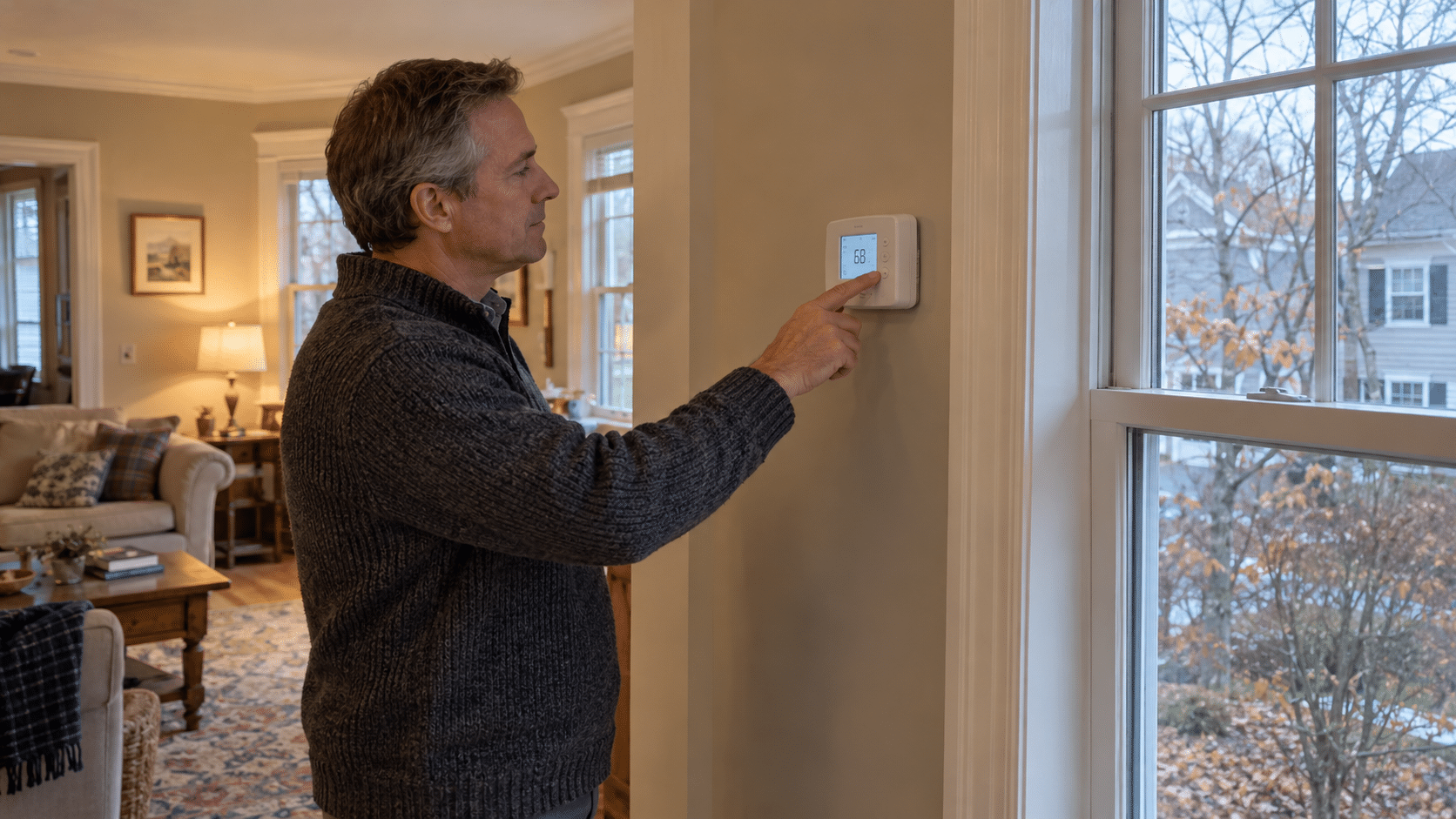
Don’t wait until the first freezing night to find out your heating system isn’t working properly.
As temperatures begin to drop across Rhode Island, homeowners are turning on their heating systems for the first time in months. Unfortunately, this is also when unexpected heating problems tend to reveal themselves.
At Energy One, we believe the best time to address a heating problem is before you need your heat the most.
A few simple checks around your home, combined with professional preventative maintenance, can help improve comfort, support energy efficiency, and reduce the likelihood of an unexpected heating emergency.
Here’s our homeowner’s guide to getting your heating system ready for the colder months ahead.
1. Start With Your Thermostat
Your thermostat controls when your heating system turns on and how it maintains your home’s temperature.
Before the heating season gets underway:
- Switch your thermostat to HEAT.
- Replace batteries if needed.
- Confirm that the temperature reading appears accurate.
- Raise the temperature briefly to make sure your heating system responds.
Energy One Tip: Testing your heating system before the first cold night gives you time to identify problems before they become urgent.
2. Check Your Air Filters and Airflow
If your home uses a forced-air heating system, a dirty filter can make your equipment work harder than necessary.
Take a few minutes to:
- Inspect your furnace or air handler filter.
- Replace dirty filters with the correct size and type.
- Make sure furniture, rugs, and curtains aren’t blocking vents.
- Check that accessible supply and return air openings are unobstructed.
Restricted airflow can affect comfort, reduce efficiency, and contribute to unnecessary equipment problems.
3. Clear Debris Around Outdoor Heating Equipment
For homes with heat pumps or other outdoor HVAC equipment, falling leaves and debris can interfere with proper operation.
Check that:
- Leaves and debris are removed from around the unit.
- Shrubs and landscaping aren’t obstructing airflow.
- Stored items aren’t blocking the equipment.
Never open equipment panels, bend fins, or attempt repairs yourself.
4. Inspect the Area Around Your Furnace or Boiler
You don’t need to be an HVAC technician to recognize some early warning signs of heating problems.
Look around your heating equipment for:
- Visible water leaks or corrosion.
- Unusual noises or odors.
- Damaged or deteriorating piping.
- Items stored too close to the equipment.
- Visible obstructions around vents or flue outlets.
Keep the area clean and accessible, maintaining required clearances from combustible materials.
Important: Never block combustion air openings or modify venting. If you smell gas, leave the building and contact your gas utility or emergency services from a safe location.
5. Make Heating Safety a Priority
Heating season is an important time to verify that your home’s safety devices are working properly.
- Test smoke alarms.
- Test carbon monoxide detectors according to manufacturer instructions.
- Confirm that CO detectors are installed on each level and outside sleeping areas, consistent with applicable requirements.
- Review your household’s emergency procedures.
Carbon monoxide is odorless and potentially deadly. If a CO alarm sounds, everyone should immediately move outside to fresh air and contact emergency services. Do not re-enter until authorities confirm it is safe.
6. Check Your Heating Oil Supply
For Rhode Island homeowners who heat with oil, fuel supply and tank condition deserve special attention.
Before colder weather arrives:
- Check your heating oil tank gauge.
- Arrange a delivery if your fuel supply is running low.
- Look for visible signs of oil leaks or tank deterioration.
- Keep the area around your burner clean and accessible.
Never attempt to adjust the oil burner, replace nozzles, bleed fuel lines, or change combustion settings yourself.
7. Look for Problems With Your Boiler or Hot Water Heating System
If your home is heated by a boiler, radiators, or baseboard heating, look for:
- Visible leaks around the boiler or accessible piping.
- Unusual sounds or signs of corrosion.
- Furniture or curtains blocking radiators or baseboards.
- Uneven heating between rooms.
If you suspect trapped air or another circulation problem, contact a qualified HVAC professional.
Do not adjust boiler pressure, relief valves, or safety controls unless specifically instructed by the manufacturer.
8. Schedule Professional Preventative Heating Maintenance
While these homeowner checks are important, they don’t replace professional heating maintenance.
During a preventative maintenance visit, a qualified technician may inspect and service important heating components, including:
- Burner and heating components.
- Heat exchangers and venting.
- Combustion performance and safety controls.
- Electrical connections, motors, and controls.
- Condensate drainage and airflow, where applicable.
- Overall system operation and performance.
The specific work depends on your heating system and manufacturer recommendations.
Professional maintenance helps identify developing issues, improve operating performance, and reduce the risk of unexpected equipment problems.
9. Perform One Final Check Before the First Cold Night
Before temperatures drop significantly, make sure:
- Your thermostat is set correctly.
- Your heating system starts and delivers heat.
- Indoor vents and outdoor equipment are unobstructed.
- Smoke and carbon monoxide alarms are functioning.
- Any unusual noises, odors, leaks, or performance issues have been addressed.
Frequently Asked Questions About Heating Maintenance
How often should I have my heating system serviced?
Most homeowners should plan for professional heating maintenance annually, or according to the equipment manufacturer’s recommendations. Your system type and usage may affect the recommended schedule.
Can regular heating maintenance prevent breakdowns?
Maintenance cannot prevent every breakdown, but it can help identify worn components, performance issues, and developing problems before they cause an unexpected loss of heat.
What are signs my heating system needs professional service?
Unusual noises, inconsistent heating, visible leaks, unexpected shutdowns, and unusual odors are all reasons to have your heating system evaluated.
Is heating maintenance necessary if my system seems to work fine?
Yes. Some developing heating problems may not produce obvious symptoms. Preventative maintenance allows a qualified technician to evaluate important components and system performance.
Don’t Wait for a Heating Emergency
Rhode Island winters can put significant demands on your heating equipment. Taking a proactive approach today can help you avoid unnecessary frustration when temperatures drop.
At Energy One, our experienced local service team helps homeowners prepare their heating systems for reliable winter operation through professional preventative maintenance and heating services.
Get ahead of the cold. Schedule your preventative heating maintenance with Energy One today.
Call (401) 823-1800 ext. 101 or visit www.energy-one.com.