

May 31, 2025
Flushing Your Water Heater: The Annual Maintenance Most Rhode Island Homeowners Skip
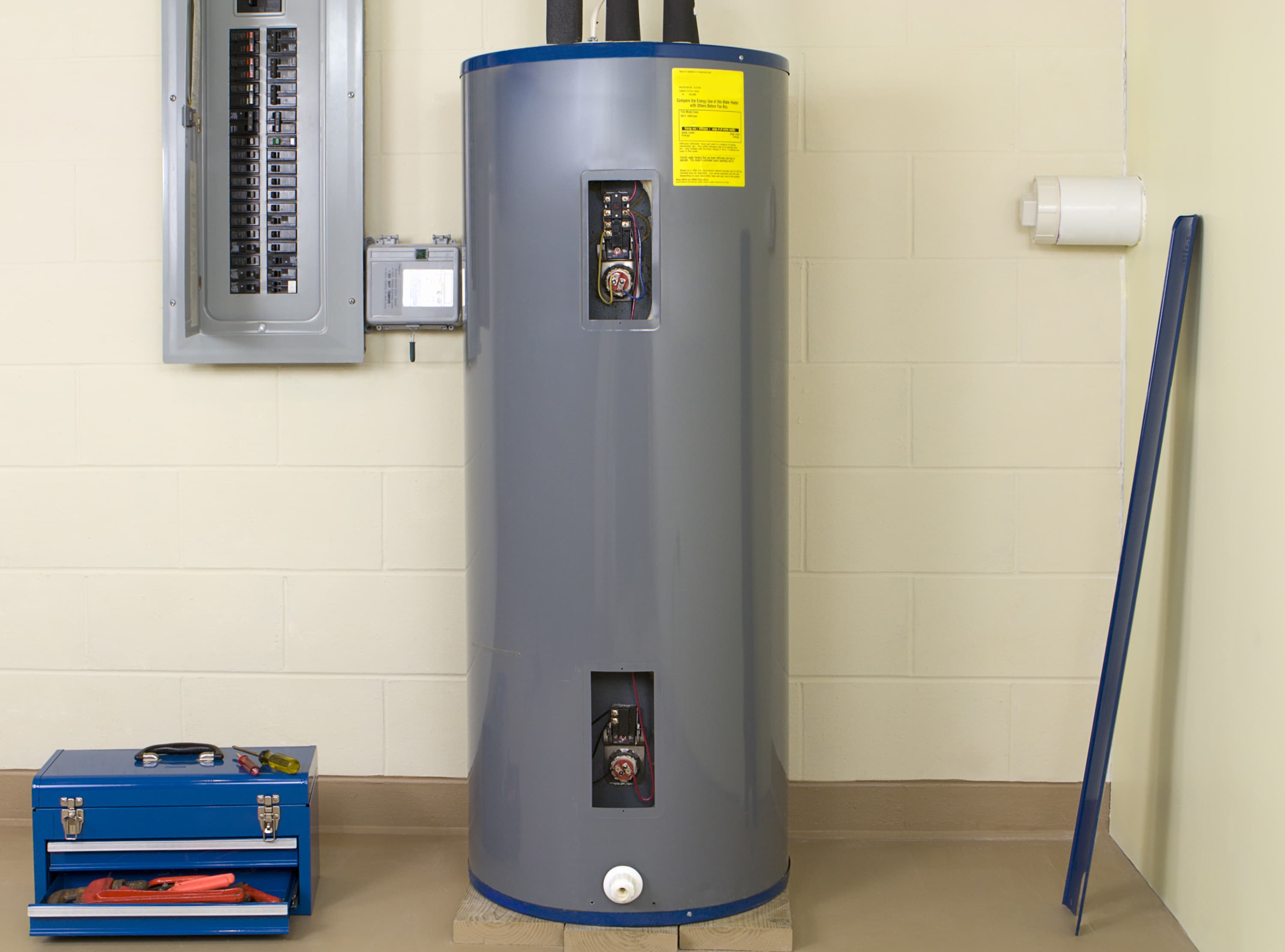
That hot shower you enjoy on cold Rhode Island mornings depends entirely on a properly functioning water heater—yet most homeowners neglect the single most important hot water heater maintenance task: annual flushing. According to industry data, water heaters rank second only to HVAC systems in household energy consumption, representing up to 18% of your monthly utility bill. The mineral-rich water flowing through Rhode Island homes gradually deposits sediment at the bottom of your tank, creating an insulating layer that forces your unit to work harder, costs you more money, and significantly shortens its lifespan. Despite these consequences, surveys indicate that over 70% of homeowners have never flushed their water heater, potentially cutting its operational life by 3-5 years and wasting hundreds in unnecessary energy costs annually.
Why Annual Water Heater Flushing Matters
The hidden costs of neglected maintenance
Without regular water heater flushing, sediment accumulation becomes the silent destroyer of your home’s hot water system. This build-up creates a thermal barrier between the heating element and the water, requiring longer heating cycles and substantially more energy. The Department of Energy reports that sediment-laden water heaters can consume up to 30% more energy than well-maintained units. Beyond the immediate financial impact, this constant strain accelerates wear on critical components. The heating elements must run longer and hotter, tank walls become subjected to localized overheating, and pressure relief valves face premature failure. Rhode Island’s particularly hard water, containing higher levels of calcium and magnesium, accelerates this sediment formation, making annual tank sediment removal not just recommended but essential for homeowners who want to avoid unexpected cold showers and costly emergency replacements.
How sediment affects efficiency and lifespan
The correlation between regular maintenance and water heater longevity is striking and directly impacts your household budget. Research from the Water Quality Association demonstrates that properly maintained water heaters typically last 10-12 years, while neglected units often fail at just 6-8 years—a potential 40% reduction in service life. The efficiency degradation follows a predictable pattern: first comes the telltale rumbling or popping sound as water bubbles through sediment layers, then gradually increasing heating times, before finally developing leaks or complete heating failure. Each inch of sediment accumulation forces your water heater to consume approximately 10% more energy to provide the same hot water output. For a standard Rhode Island household, this translates to wasting up to $100 annually in unnecessary energy costs while simultaneously pushing your equipment closer to failure. Annual water heater draining effectively resets this degradation cycle, preserving both efficiency and longevity.
Direct vs. Indirect Water Heaters: Maintenance Differences
Direct water heater flushing process
Direct water heaters, the most common type found in Rhode Island homes, feature an internal heating element (either gas burner or electric element) that directly heats the water within the tank. These systems particularly benefit from regular flushing as they experience direct exposure to sediment buildup on heating elements. The standard maintenance protocol requires shutting off the power source, closing the cold water supply, connecting a garden hose to the drain valve, and allowing gravity to flush accumulated debris. Professional plumbers recommend running several gallons through the system until the water runs clear, typically taking 20-30 minutes for a standard 40-gallon tank. This relatively straightforward DIY water heater maintenance procedure removes the performance-robbing sediment layer while allowing for visual inspection of water quality. For maximum effectiveness, this process should be conducted annually, preferably before the heavy-usage winter months when Rhode Island temperatures drop and hot water becomes even more essential.
Indirect water heater service requirements
Indirect water heaters, increasingly popular in newer Rhode Island homes due to their superior efficiency, operate differently and require modified maintenance approaches. These systems utilize your home’s boiler as the heat source, circulating hot water through a heat exchanger coil within the water tank. While indirect systems accumulate less sediment due to their closed-loop design, they still require annual maintenance to ensure optimal performance. The indirect water heater maintenance process involves purging air from the system, checking heat exchanger fluid levels, inspecting circulator pumps, and testing pressure relief valves. Though they generally experience less sediment buildup, periodic flushing remains beneficial, particularly in areas with exceptionally hard water. The more complex design of these systems often warrants professional service, as improper maintenance can damage expensive components or create inefficiencies that negate their energy-saving advantages.
Step-by-Step Guide to Flushing Your Water Heater
Safety precautions before starting
Before beginning any hot water heater maintenance procedure, safety must take absolute priority to prevent injury or property damage. First, ensure you locate and switch off the appropriate power source—for electric heaters, turn off the dedicated circuit breaker; for gas units, rotate the thermostat to the “pilot” setting. Allow the tank water to cool for at least two hours to prevent scalding risks, as tank water typically maintains temperatures between 120-140°F. Identify the cold water shutoff valve, usually located on the inlet pipe above the water heater, and turn it clockwise until completely closed to prevent refilling during the draining process. Prepare your work area by placing absorbent materials around the drainage zone, as even properly drained systems may leak or splash. For gas water heaters, ensure proper ventilation during the restart process to disperse any gas odors safely. These preparatory steps, while seemingly basic, prevent the most common injuries associated with water heater maintenance.
Complete flushing procedure
The water heater flushing procedure, while straightforward, requires methodical execution to maximize effectiveness and prevent damage to your system. Begin by connecting a standard garden hose to the drain valve located near the bottom of the tank, with the opposite end positioned at a suitable drainage point that can handle hot water, such as a floor drain or outside area away from plants. Carefully open the pressure relief valve located on the top or side of the tank to prevent vacuum formation during draining. Next, open the drain valve slowly to prevent excessive pressure, allowing water to flow until completely empty—approximately 20-30 minutes for a typical 40-gallon tank. Once empty, briefly open the cold water inlet valve to stir up remaining sediment, then drain again. Repeat this process until the water runs clear, indicating sediment removal. After flushing, close the drain valve, remove the hose, close the pressure relief valve, and restore water flow by opening the cold water inlet valve. Allow the tank to fill completely before restoring power to prevent element damage in electric models or improper combustion in gas units.
When to Call a Professional
Signs your water heater needs expert attention
Despite the apparent simplicity of water heater maintenance, certain warning signs indicate the need for professional intervention rather than DIY approaches. Persistent discoloration in your hot water—particularly rusty or brown tints—suggests internal tank corrosion that flushing alone cannot address. Significant reductions in hot water capacity or temperature, especially when accompanied by unusual sounds during operation, often indicate heating element failure or severe sediment accumulation requiring specialized tools for removal. Water heaters older than 8 years experiencing efficiency decline may benefit more from professional assessment than routine maintenance. For Rhode Island homeowners, any signs of water around the base of the unit, inconsistent water temperatures, or pressure relief valve discharges demand immediate professional evaluation to prevent potential flooding or dangerous pressure buildups. These symptoms extend beyond maintenance into repair territory, where professional plumbers have the diagnostic equipment and replacement parts necessary to resolve underlying issues.
Benefits of professional maintenance
Professional water heater service offers comprehensive benefits that extend beyond basic flushing procedures. Trained technicians from reputable companies like Energy-One conduct thorough system evaluations, including inspection of sacrificial anode rods—critical components that prevent tank corrosion but require specialized tools to check and replace. Professional maintenance typically includes testing of all safety mechanisms, particularly temperature and pressure relief valves, which prevent dangerous tank ruptures but deteriorate over time. For gas water heaters, technicians verify proper combustion, vent function, and gas line integrity—safety factors beyond the scope of typical DIY maintenance. Professionals also carry specialized descaling solutions that dissolve stubborn mineral deposits more effectively than water flushing alone. Perhaps most valuably, technicians can identify early warning signs of impending failure during routine maintenance, allowing for planned replacement rather than emergency service. For many Rhode Island homeowners, particularly those with older systems or complex setups, the modest cost of annual professional service provides valuable peace of mind and potentially significant long-term savings.
Conclusion
Regular hot water heater maintenance represents one of the most overlooked yet impactful home maintenance practices for Rhode Island homeowners. The annual investment of time (for DIY) or money (for professional service) pays significant dividends through extended equipment life, reduced energy consumption, and prevention of costly emergency repairs. While many homeowners can successfully perform basic flushing procedures, understanding the limitations of DIY maintenance and recognizing when to call professionals remains equally important. Whether you maintain a traditional direct water heater or a more efficient indirect system, consistent attention to this vital household system ensures reliable performance when you need it most—particularly during harsh Rhode Island winters. As with most home maintenance, prevention proves far less expensive and disruptive than emergency repairs. By incorporating annual water heater flushing into your home maintenance calendar, you protect both your investment and your family’s comfort through all seasons.
Need professional hot water heater maintenance? Energy-One’s certified technicians provide comprehensive water heater services throughout Rhode Island. Call us today at (401) 823-1800 or schedule your appointment online to ensure your water heater operates at peak efficiency year-round.
Frequently Asked Questions
How often should Rhode Island homeowners flush their water heaters?
Most manufacturers and plumbing professionals recommend annual water heater flushing for Rhode Island homes. However, households with particularly hard water or high usage patterns may benefit from more frequent maintenance, possibly every six months, to prevent excessive sediment accumulation.
Can flushing damage an older water heater?
While uncommon, flushing very old or severely neglected water heaters can occasionally disturb sediment that was actually sealing small leaks. If your water heater is over 10 years old and has never been maintained, consider having a professional evaluation before attempting DIY flushing.
How much money can regular water heater maintenance save?
The average Rhode Island household can save 10-30% on water heating costs through regular maintenance, translating to approximately $100-300 annually depending on usage patterns. Additionally, proper maintenance typically extends equipment life by 3-5 years, saving $1000-1500 in premature replacement costs.
Is water heater maintenance different for tankless systems?
Yes, tankless water heaters require different maintenance procedures focusing on descaling the heat exchanger rather than draining sediment. This typically involves pumping a vinegar solution through the system using a specialized pump and is generally best performed by professionals.
What should I do if my water heater’s drain valve is stuck or leaking?
A stuck or leaking drain valve indicates the need for professional service. Attempting to force a stuck valve can cause significant damage, while leaking valves often require replacement. Contact a licensed plumber to address these issues safely and effectively.