

March 31, 2025
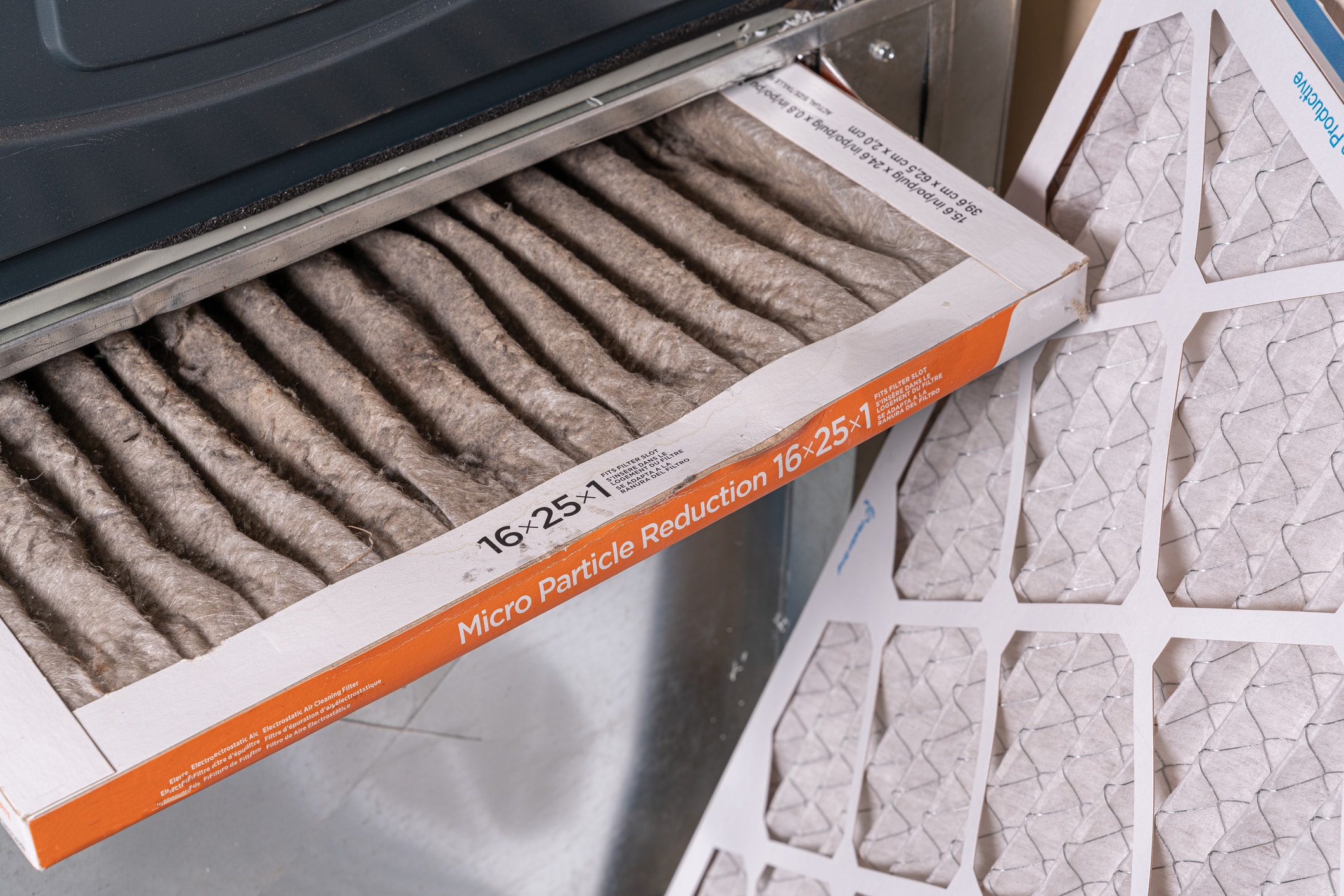
Rhode Island residents face unique allergy challenges throughout the year. From spring tree pollen to fall ragweed and year-round mold spores, your HVAC system fights allergies in Rhode Island homes daily. Understanding how your heating and cooling system affects indoor air quality is the first step toward finding relief.
The Rhode Island Allergy Challenge
Rhode Island’s location and climate create perfect conditions for various allergens. The state’s coastal position, combined with varying seasonal temperatures, produces an environment where different types of pollen, mold, and other allergens thrive. According to the Asthma and Allergy Foundation of America, Providence regularly ranks among cities with significant allergy challenges.
How Your HVAC System Fights Allergies
Your HVAC system serves as your home’s first line of defense against airborne allergens. As air circulates through your home, the system’s filter captures particles that could trigger allergic reactions. However, this process only works effectively when your system is properly maintained and optimized.
The basic air filter in your HVAC system can trap larger particles, but many common allergens are microscopic. Standard filters typically catch about 20% of airborne particles. This means that without additional measures, your system might recirculate many allergy-triggering substances throughout your home.
Filter Fundamentals for Allergy Relief
The right air filter makes a significant difference in your indoor air quality. MERV ratings (Minimum Efficiency Reporting Values) indicate a filter’s effectiveness. For allergy sufferers, filters with MERV ratings between 8 and 13 offer substantial protection without overtaxing your system.
Change your filter every 60-90 days, or more frequently during high-pollen seasons. Rhode Island’s humid climate can cause filters to collect moisture and become less effective more quickly than in drier regions.
Advanced Filtration Solutions
Beyond basic filtration, several advanced options can enhance your HVAC system’s ability to combat allergens:
HEPA filtration systems can remove up to 99.97% of particles as small as 0.3 microns. While residential HVAC systems typically can’t use true HEPA filters without modifications, HEPA-type filters offer similar benefits.
UV light systems installed in your HVAC unit can kill bacteria, viruses, and mold spores as air passes through the system. This technology proves particularly valuable in Rhode Island’s humid climate, where biological contaminants often thrive.
The Impact of Clean Ducts
Your ductwork can harbor significant amounts of allergens. Over time, dust, pollen, and other particles settle in your ducts, creating a reservoir of potential irritants. Professional duct cleaning removes these accumulated allergens and improves your system’s efficiency.
Energy-One’s certified technicians use specialized equipment to thoroughly clean ductwork, removing years of accumulated debris that could affect your family’s health.
Humidity Control and Allergies
Rhode Island’s varying humidity levels affect how your HVAC system fights allergies. High humidity creates conditions where dust mites and mold thrive, while very low humidity can irritate nasal passages and make allergy symptoms worse.
Modern HVAC systems can include whole-home humidity control features. These systems maintain optimal humidity levels between 30% and 50%, creating an environment less hospitable to common allergens.
Smart Technology for Allergy Management
Smart thermostats offer features specifically beneficial for allergy sufferers. These devices can:
- Monitor indoor humidity levels
- Alert you when it’s time to change filters
- Adjust ventilation based on outdoor air quality
- Create scheduling patterns that optimize air filtration
Maintenance Matters
Regular HVAC maintenance plays a crucial role in allergy management. Spring and fall tune-ups ensure your system operates at peak efficiency and effectively filters air. Professional maintenance includes:
- Cleaning or replacing filters
- Checking and cleaning drainage systems
- Inspecting and cleaning coils
- Verifying proper air flow
- Testing system controls
Signs Your HVAC System Needs Attention
Several indicators suggest your HVAC system might not be fighting allergies effectively:
- Increased allergy symptoms indoors
- Visible dust around vents
- Musty odors
- Inconsistent air flow
- Higher energy bills
Professional Solutions
While some allergy-fighting measures can be handled independently, others require professional expertise. Energy-One specializes in creating comprehensive solutions for Rhode Island homeowners struggling with indoor allergies. Their services include:
- Advanced filtration system installation
- Duct cleaning and sanitization
- Whole-home humidity control
- Smart thermostat integration
- Regular maintenance programs
Taking Action
For Rhode Island residents seeking allergy relief, your HVAC system represents a powerful tool in the fight against allergens. By maintaining and optimizing your system, you can create a healthier indoor environment.
Contact Energy-One to schedule a comprehensive evaluation of your HVAC system’s allergy-fighting capabilities. Our experienced technicians can assess your current setup and recommend targeted solutions for your specific situation. With proper care and professional support, your HVAC system can provide the relief you need from Rhode Island’s seasonal and year-round allergens.