

April 8, 2025
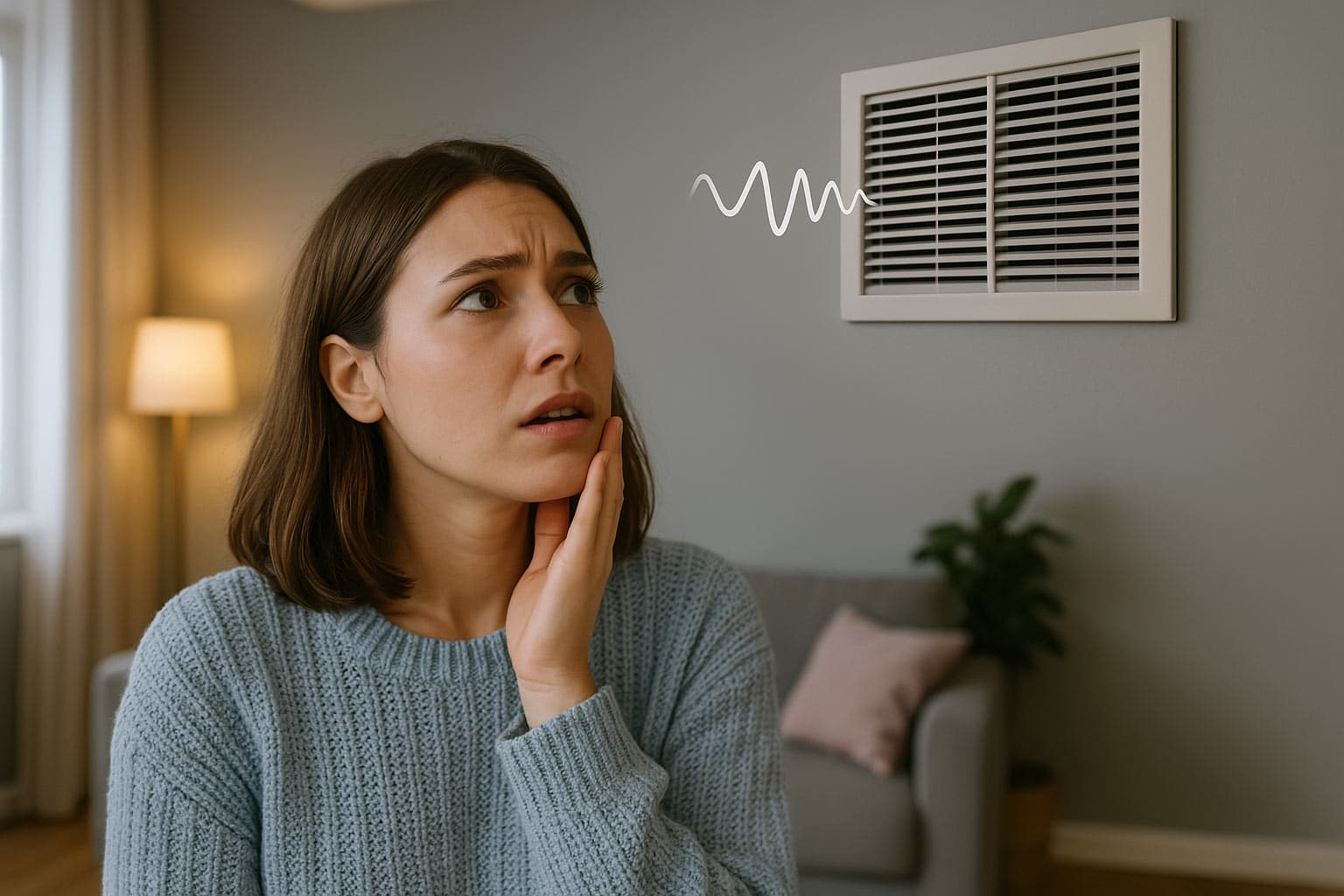
As winter retreats and spring temperatures begin their gradual climb in Rhode Island, many homeowners find themselves reaching for the thermostat to switch from heat to cool. But what happens when that first activation of your air conditioning system brings unexpected sounds? That concerning noise when running the A/C might be more than just an annoyance—it could be your system communicating that something isn’t right. For Rhode Island residents, whose cooling systems have been dormant through the long winter months, spring often reveals issues that developed during the off-season. Understanding these sounds can help you determine whether you’re dealing with a minor issue or a potential system failure requiring immediate attention.
Why Noise When Running the A/C Should Never Be Ignored
Your air conditioning system is designed to operate relatively quietly, with only the gentle sound of fan and air movement through your vents. When unusual noises emerge, they typically indicate a developing problem. Ignoring these audio warnings can lead to more significant damage, increased energy consumption, and potentially complete system failure—often during the hottest days when you need cooling the most. According to a U.S. Department of Energy report, proper maintenance of HVAC systems can reduce energy consumption by up to 15%, while neglected systems with developing problems can significantly increase electricity bills. For Rhode Island homeowners, whose electricity rates are among the highest in the nation, addressing these issues promptly isn’t just about comfort—it’s about protecting your investment and managing household expenses. The noises your system makes offer valuable diagnostic information that skilled technicians can use to identify problems before they escalate into costly repairs or premature replacement of your entire unit.
The Impact of Rhode Island’s Coastal Climate on A/C Performance
Rhode Island’s proximity to the ocean creates unique challenges for air conditioning systems. The salt-laden air can accelerate corrosion of outdoor condenser units, while the high humidity levels common throughout spring and summer put additional strain on cooling systems. These environmental factors often contribute to the unusual sounds coming from your A/C unit. Condensation caused by high humidity can create electrical issues resulting in buzzing sounds, while salt corrosion might lead to fan imbalances causing rattling noises. The seasonal transition from winter to spring is particularly demanding on HVAC systems, as temperature fluctuations force units to adapt quickly to changing demands. Units that have sat dormant through winter months may have collected debris or developed loose components, problems that become apparent only when the system activates for the first time in spring. The freeze-thaw cycles typical of Rhode Island winters can also affect refrigerant lines and connections, potentially creating the hissing or whistling sounds associated with leaks when the system restarts in spring.
Common A/C Noises and Their Potential Causes
A critical aspect of effective air conditioner troubleshooting is being able to distinguish between different types of operational sounds. Each distinct noise offers clues about what might be happening within your system. By becoming familiar with these sound signatures, Rhode Island homeowners can better communicate with HVAC professionals and make more informed decisions about when intervention is necessary. The timing, volume, and character of the noise when running the A/C all provide valuable diagnostic information. Is the sound constant or intermittent? Does it occur at startup, during operation, or when the system shuts down? Does the noise change with different fan speeds or temperature settings? These observations can help narrow down potential causes and solutions. While some sounds might indicate minor issues that can be addressed through simple maintenance, others signal serious problems requiring immediate professional attention to prevent safety hazards or system damage.
Rattling and Clanking: Loose Components or Debris
Rattling or clanking sounds typically indicate loose or broken parts within your air conditioning unit. These sounds might come from loose screws, unbalanced fan blades, or debris that has entered the system during winter months. In outdoor units, fallen twigs, leaves, or even small animals seeking shelter can create obstruction noises when the system activates in spring. For indoor air handlers, rattling might indicate loose ductwork or mounting brackets that have come loose due to the home’s natural settling or repeated vibration cycles of the unit itself. Rhode Island homes, many of which are older constructions with established landscaping, are particularly prone to debris-related issues in spring when trees shed seed pods and winter storm debris may have collected around outdoor units. The solution often involves clearing away debris, tightening loose components, or replacing broken parts before they cause further damage. Regular inspection of the area surrounding your outdoor unit and keeping it clear of vegetation and debris can prevent many of these issues from developing in the first place.
Whistling or Hissing: Potential Refrigerant Leaks
Perhaps the most concerning of all A/C noises are whistling or hissing sounds, which often indicate refrigerant leaks in your system. Refrigerant is the lifeblood of your air conditioner, responsible for the heat exchange process that creates cool air. When leaks develop in coils or connection points, the pressurized refrigerant escapes with a distinctive whistling sound. This issue requires professional attention not only because refrigerant is environmentally harmful, but also because operating a system with low refrigerant levels can damage the compressor—one of the most expensive components to replace. In Rhode Island’s coastal communities, refrigerant lines are particularly vulnerable to corrosion from salt air, making this issue more common than in inland areas. Hissing sounds might also indicate excessive pressure in the compressor, another serious condition requiring professional diagnosis. If you hear these sounds from your system, it’s advisable to shut it down and contact a qualified HVAC professional immediately to prevent further damage and potential safety hazards.
Buzzing or Humming: Electrical Issues
Electrical problems within your A/C system often manifest as buzzing or humming sounds. These noises might indicate issues with the capacitor, contactor, or compressor motor—all critical electrical components of your cooling system. As with many HVAC system problems, the high humidity and salt air common in Rhode Island can accelerate electrical component deterioration, particularly in systems that haven’t been properly maintained. Buzzing sounds might also indicate loose electrical connections or frayed wires, which present not only performance issues but potential fire hazards as well. Transformer issues in older units can create a persistent humming that grows louder over time as the component fails. Regular professional inspection of these components is essential, particularly for older systems that may have outdated wiring or components reaching the end of their service life. Most electrical issues require professional diagnosis and repair, as they involve specialized knowledge and safety considerations beyond the scope of typical DIY maintenance.
Banging or Thumping: Compressor Problems
When your air conditioner produces banging or thumping sounds, particularly at startup or shutdown, the compressor is often the culprit. As one of the most expensive components in your system, compressor problems deserve immediate attention. These noises might indicate that internal components have come loose, the compressor is struggling to start due to electrical issues, or refrigerant pressure problems are causing abnormal operation. In some cases, thumping sounds can result from what technicians call “liquid slugging”—when liquid refrigerant enters the compressor instead of remaining in its proper gaseous state. This condition can quickly damage the compressor and lead to system failure. Rhode Island’s dramatic seasonal temperature changes can stress compressors as they transition from dormancy to full operation in spring. These components are particularly vulnerable during the first few operational cycles after winter, when oil might have settled or internal components may have become stiff. Professional diagnosis of these sounds is essential, as addressing them early can prevent complete compressor failure and the substantial expense of replacement.
When to DIY vs. When to Call a Professional
While some minor home cooling system problems can be addressed by homeowners, others require professional expertise. Understanding this distinction can save you time, money, and potential safety risks. As a general rule, any noise associated with electrical components, refrigerant issues, or the compressor warrants professional attention. These components involve specialized knowledge, tools, and in some cases, legal certifications (particularly for handling refrigerants). However, some basic maintenance tasks that might resolve minor noises can be performed by homeowners with basic tools and safety precautions. It’s worth noting that regular professional maintenance often prevents the development of these noises in the first place. For Rhode Island homeowners, scheduling spring maintenance before the cooling season begins can identify potential issues before they become problematic. This preventive approach is particularly valuable given the region’s hot, humid summers when air conditioning systems operate near capacity for extended periods, placing additional stress on components already compromised by noise-causing issues.
Simple Fixes for Minor A/C Noise Issues
Some noise issues have relatively straightforward fixes that homeowners can handle themselves. Rattling noises from the outdoor unit can often be addressed by removing debris, tightening visible loose screws, or ensuring the unit sits level on its pad or mounting brackets. Indoor air handlers sometimes produce noise due to dirty air filters restricting airflow, a condition easily remedied by replacing the filter. Whistling sounds from vents might indicate airflow restrictions that can be improved by ensuring vents are fully open and unobstructed by furniture or drapes. Occasional clicking at startup or shutdown is usually normal, but excessive clicking might indicate a failing relay that will eventually require professional replacement. For Rhode Island homeowners preparing for spring, a visual inspection of the outdoor unit after winter can prevent many noise issues. Clearing away fallen leaves, twigs, and other debris that accumulated during winter storms ensures unrestricted airflow and prevents the strain that can lead to unusual operational sounds. Similarly, cleaning or replacing air filters after winter’s heating season prepares the system for efficient, quiet cooling operation.
Warning Signs That Require Immediate Professional Attention
Certain noises demand immediate professional intervention. Screeching or high-pitched squealing often indicates motor bearing failures or belt issues in older systems—problems that will worsen without proper repair. Loud banging, especially when accompanied by vibration, might signal serious compressor problems that could lead to complete system failure if not addressed promptly. Any hissing or bubbling sounds suggest refrigerant leaks, which require professional repair and recharging by certified technicians. Similarly, electrical buzzing or arcing sounds indicate potentially dangerous situations that could lead to fire hazards. Grinding noises almost always signal significant mechanical problems that will cause further damage if the system continues to operate. For Rhode Island residents, the number of extremely hot days makes functioning air conditioning particularly valuable when needed most. Addressing these serious warning signs promptly, rather than hoping they’ll resolve themselves, preserves your system’s functionality during critical periods and often prevents more extensive damage that could leave you without cooling during summer heat waves.
Preventing Future A/C Noise Problems
The best approach to air conditioner noise issues is prevention through regular maintenance and early intervention. Most significant HVAC failures begin as minor issues that generate distinctive sounds before developing into major problems. Scheduling professional seasonal inspections—particularly in spring before the cooling season begins—can identify these early warning signs before they progress to system-threatening conditions. During these inspections, technicians check for loose components, electrical issues, refrigerant levels, and mechanical wear that might generate noise. They also clean key components, lubricate moving parts, and make minor adjustments that keep your system operating quietly and efficiently. For conscientious Rhode Island homeowners, developing a relationship with a reputable HVAC service provider offers peace of mind and typically results in longer system lifespan and lower operating costs. Most professional maintenance agreements include priority service during peak demand periods—a valuable benefit during summer heat waves when service calls spike and appointment availability becomes limited.
The Importance of Regular Seasonal Maintenance
Spring Preparation for Rhode Island’s Humid Summers
Rhode Island’s combination of high humidity and occasional heat waves makes spring maintenance particularly important for local cooling systems. Professional maintenance typically includes cleaning condenser and evaporator coils, checking refrigerant pressure, testing electrical components, lubricating moving parts, and inspecting the condensate drain system—all potential sources of unusual noises when problems develop. This comprehensive service not only prevents noise issues but also optimizes efficiency and extends system lifespan. The timing of this maintenance is critical; scheduling service in early spring before temperatures rise ensures your system is ready when needed and avoids the scheduling difficulties that often occur during the first heat wave when service providers become overwhelmed with emergency calls. For older systems, spring maintenance offers the opportunity to address developing issues before they lead to breakdown during critical cooling periods. It also provides homeowners with an expert assessment of their system’s condition and remaining service life, allowing for planned replacement rather than emergency situations.
Ensuring Quiet, Efficient Cooling All Season Long
The unusual noise when running the A/C is more than just an annoyance—it’s your system communicating potential problems that deserve attention. By familiarizing yourself with common A/C sounds and their likely causes, you can make informed decisions about when to address issues yourself and when to call professionals. For Rhode Island homeowners, whose systems face unique challenges from coastal air, high humidity, and seasonal temperature extremes, this knowledge is particularly valuable. Regular maintenance remains the most effective strategy for preventing noise issues and ensuring reliable, efficient cooling throughout the spring and summer months. When strange sounds do occur, prompt attention prevents minor issues from developing into major repairs or premature system replacement. Your air conditioner represents a significant investment in your home’s comfort and value; protecting that investment through proper care and timely intervention makes good financial sense and ensures your home remains a comfortable refuge during Rhode Island’s warm, humid months.
Ready for Quiet, Efficient Cooling This Spring?
Don’t wait for strange noises to disrupt your comfort. Contact the professionals at Energy-One today to schedule your spring maintenance service or address any concerns about your current system’s performance. Our experienced technicians understand the unique challenges Rhode Island’s climate presents for cooling systems and can help ensure your home stays comfortable all season long.
Frequently Asked Questions
Q: How can I tell if the noise from my A/C is normal or problematic?
A: Normal A/C operation includes a gentle humming from the fan and compressor and occasional clicking when the system starts or stops. Any loud, persistent, or unusual sounds like banging, screeching, hissing, or grinding indicate problems requiring attention.
Q: Can Rhode Island’s coastal air really affect my air conditioner’s performance?
A: Yes, the salt content in coastal air can accelerate corrosion of metal components in your outdoor unit, potentially leading to unusual noises and premature system failure if not properly maintained.
Q: How often should I have my A/C professionally serviced to prevent noise issues?
A: For Rhode Island homeowners, annual professional maintenance in spring is recommended, with additional service if you notice performance changes or unusual noises.
Q: Will ignoring a minor rattling noise eventually lead to major problems?
A: In most cases, yes. Small issues like rattling often indicate loose components that can cause damage to other parts if left unaddressed, potentially leading to more expensive repairs or complete system failure.
Q: How long should my air conditioner last in Rhode Island’s climate?
A: With proper maintenance, most modern air conditioning systems should last 12-18 years in Rhode Island. However, coastal properties may experience shorter lifespans due to increased corrosion if not properly maintained.